

Catalog number: 95.03.9 The City Coal Mine at Horse Gulch, where John Porter originally found coal outcrops. A spur was built to bring the coal to the smelter and for further distribution on the railroad.
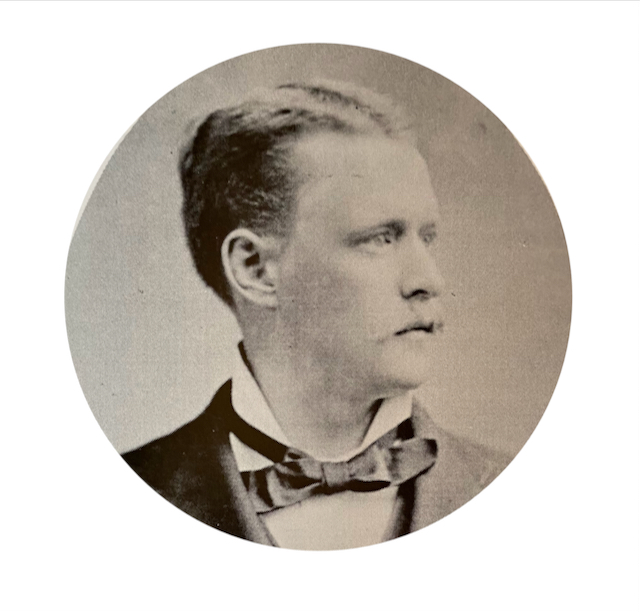
Metallurgist John A. Porter, seen below, was instrumental in getting the Greene Smelter in Silverton to properly process ore. In 1875, Porter rode on horseback from Pueblo into the San Juans, carrying with him the tools of his trade including a small pick, geologist’s hammer, and rock drills. His saddlebags were full of coal from Pueblo. As he followed the route along the Animas River towards Animas City, in an area called Horse Gulch, he couldn’t believe his eyes. There he found enormous coal deposits, so much that he emptied his saddlebags, secure in the knowledge that there was enough coal to support the Silverton mines for a long time.
Durango owes its existence to the abundance of coal and water from the Animas River.
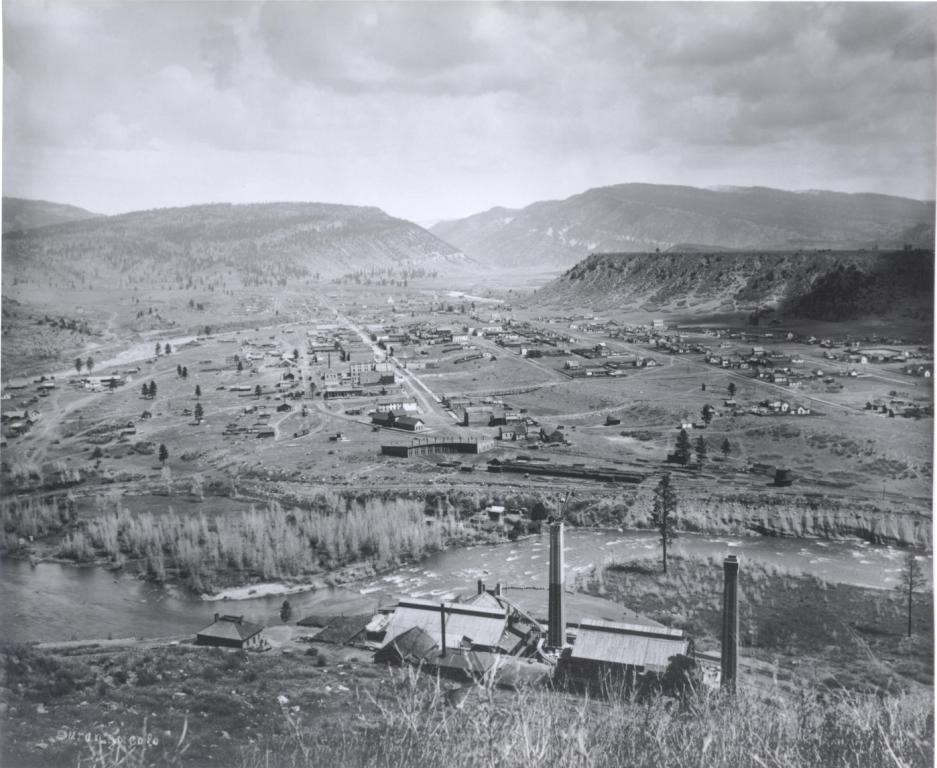
Catalog number: 02.20.1 The New York and San Juan smelter overlooking the town of Durango.
Smelting is a process to separate gold, silver, copper and other precious metals from the base rock or ore. Smelters used coke, a purified coal product, for fuel. Durango had several smelters including the New York and San Juan Smelter, pictured here, designed by John Porter.
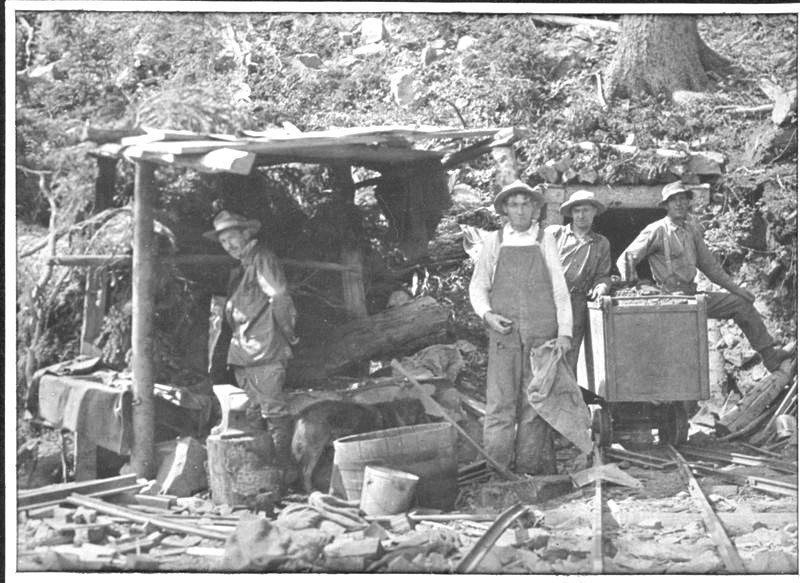
Catalog number: 15.02.1 Miners and a blacksmith outside the Lucky Moon Mine in La Plata Canyon.
The mines around Silverton and in La Plata Canyon used steam boilers to provide power to run all sorts of necessary equipment until the early 20th century when hydroelectric power came into use. Every mine also had a blacksmith that used coal to fuel the forge to sharpen chisels, drill bits, and other equipment.
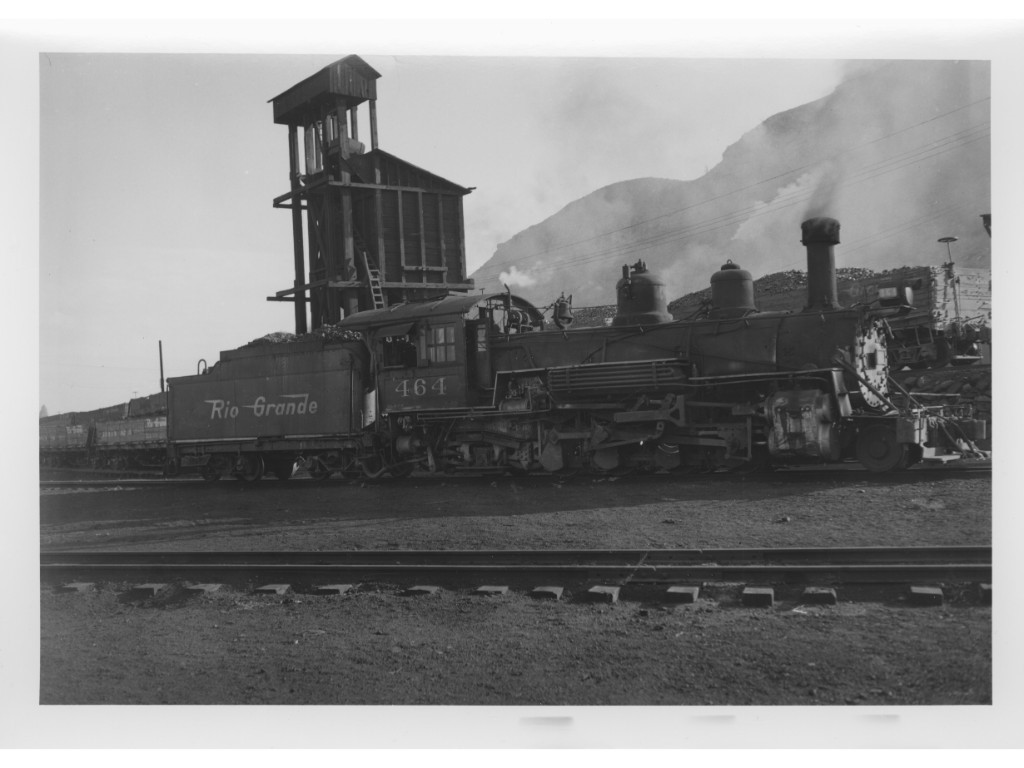
Catalog number: 15.33.142 Steam locomotive at the Durango coaling tower.
The Denver & Rio Grande Railroad arrived in 1881. Steam locomotives required water and tons of coal to haul passengers and freight, including ore and coal to points along the line which linked Denver to Silverton. The Rio Grande Southern Railroad, completed in 1891, served the coal mining towns of Porter, Hesperus, and Perins on the way to Ridgway.
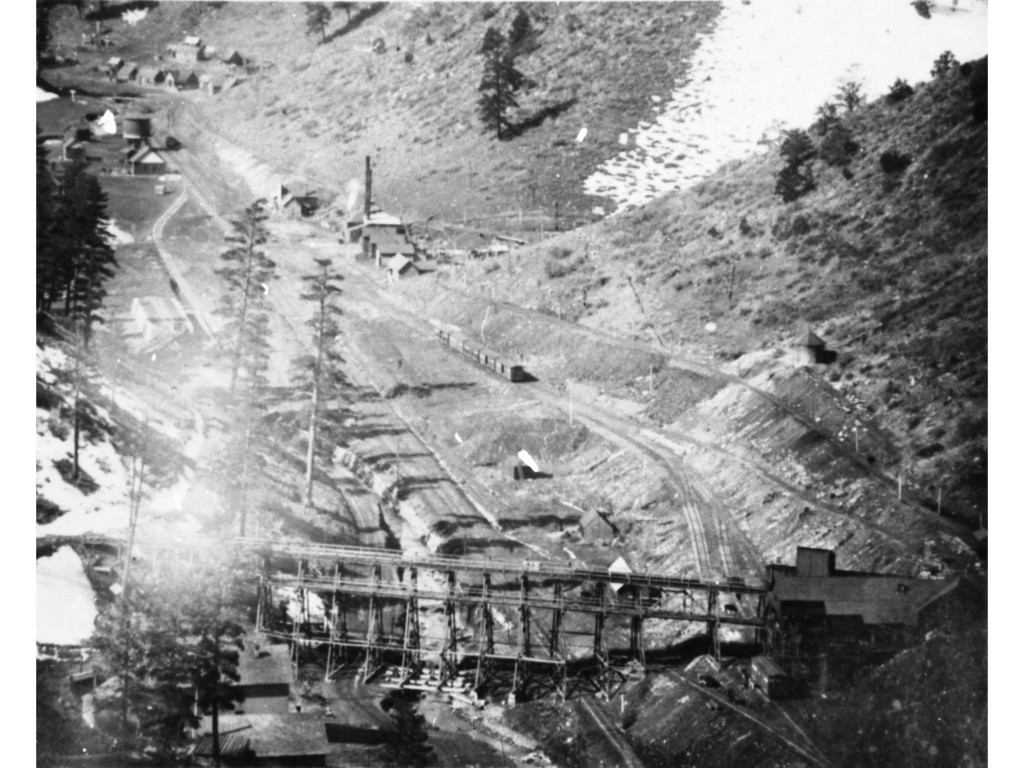
Catalog number: 91.33.108 Coal town of Porter out Wildcat Canyon
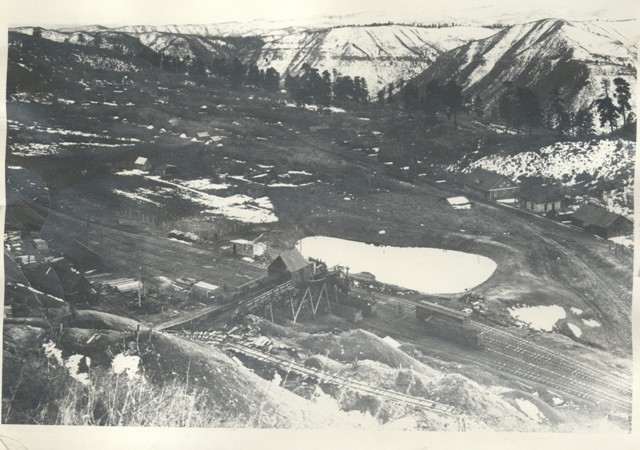
Catalog number: 17.01.1 Coal town of Perins, on the backside of Perins Peak
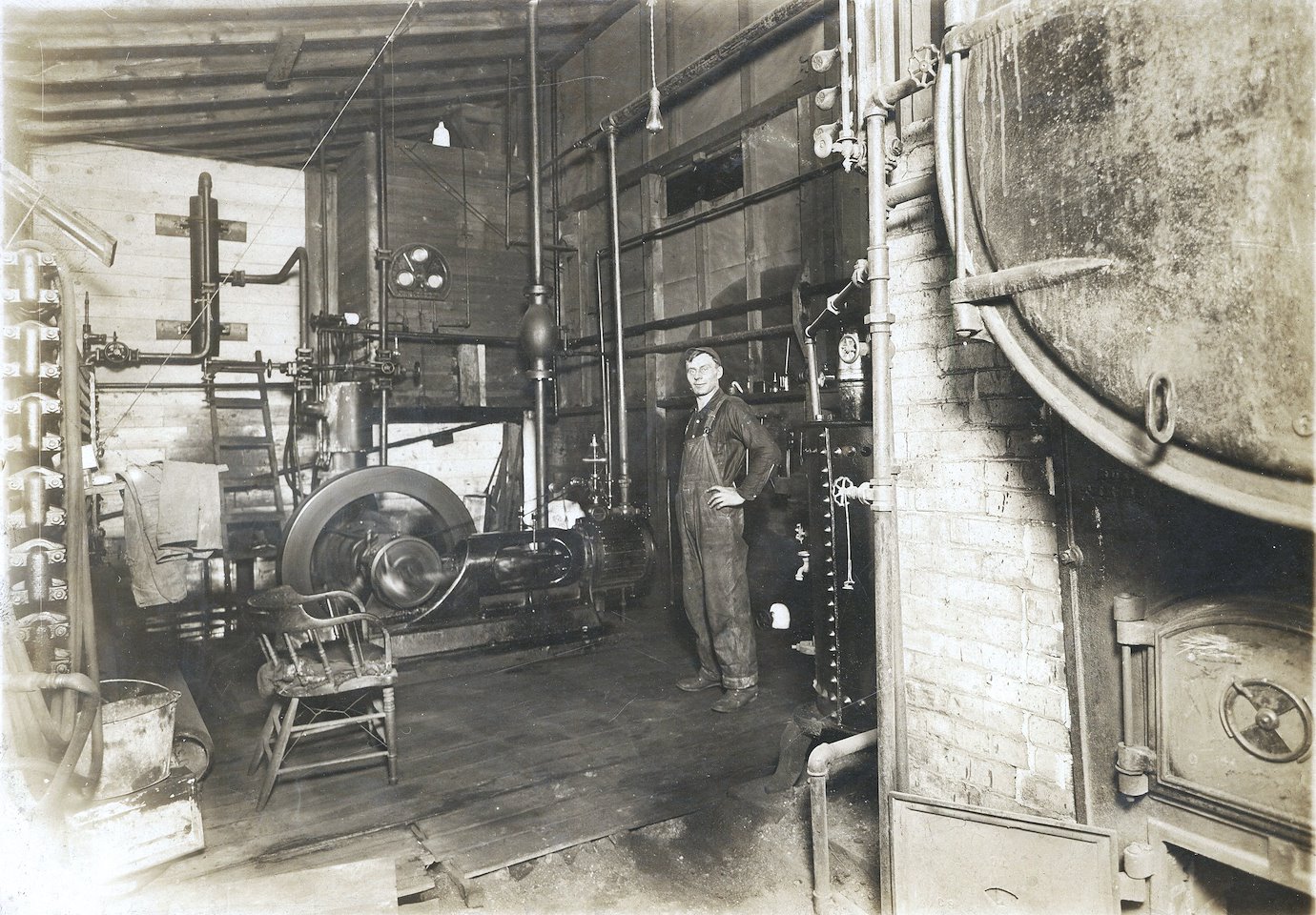
Catalog number: 11.14.44 Interior of the first electric plant in Durango with an unidentified man standing near a large coal boiler.
Durango’s first power plant opened in January of 1887 on the north side of today’s 7th St. near the railroad tracks. The plant provided electricity to the smelter during the day and to homes at night.
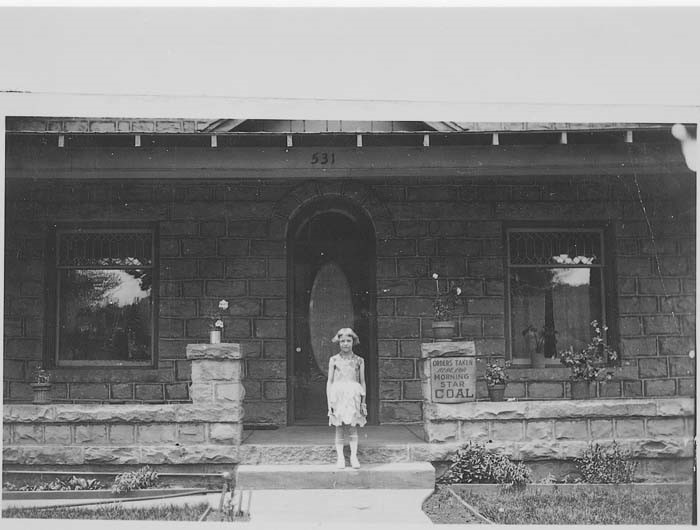
Before electricity and natural gas was available to the home, coal was a reasonably inexpensive way to heat a house and cook meals. The house in this image belonged to the owner of the Morning Star Coal Mine. Catalog number: 00.38.6
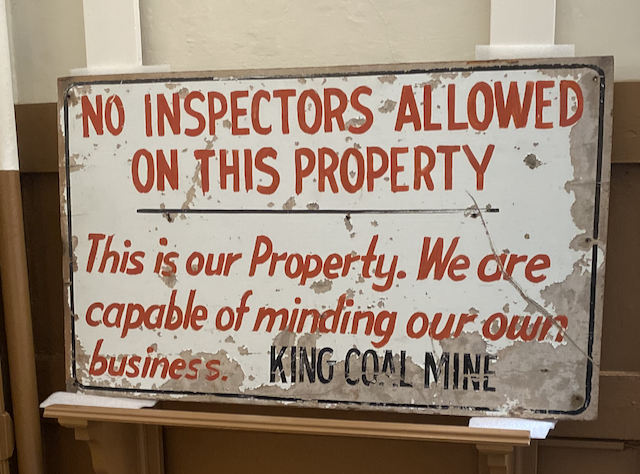
Catalog number: 89.35.1 Sign from the King Coal Mine
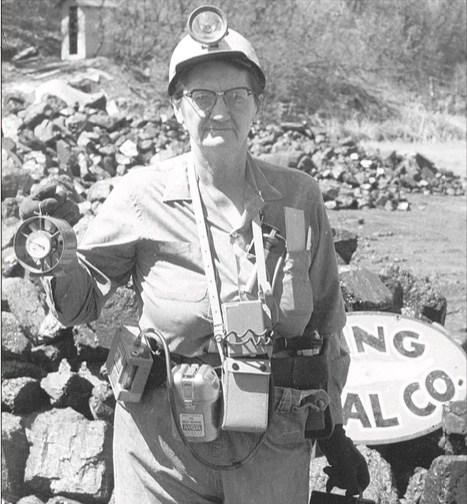
The National King Coal Mine, near Hesperus, Colorado, is still in operation today. It was owned from 1948 until 1979 by Violet Smith (below) and her husband Irving. Violet lived in Animas City and was known as kindhearted and generous, to all but Federal inspectors at her mine, hence the sign seen to the right.
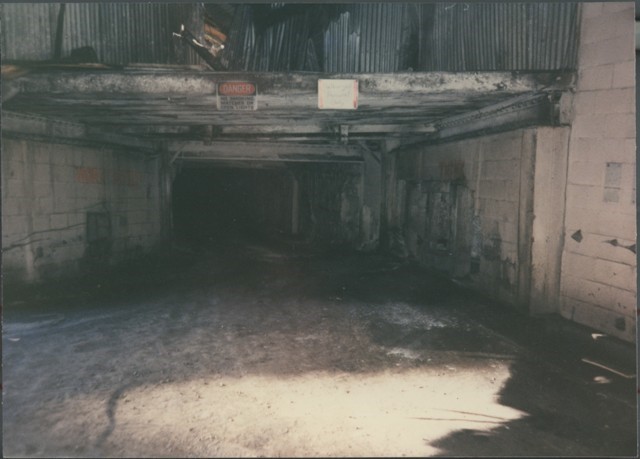
Catalog number: 16.20.11 Entrance to the King Coal Mine.
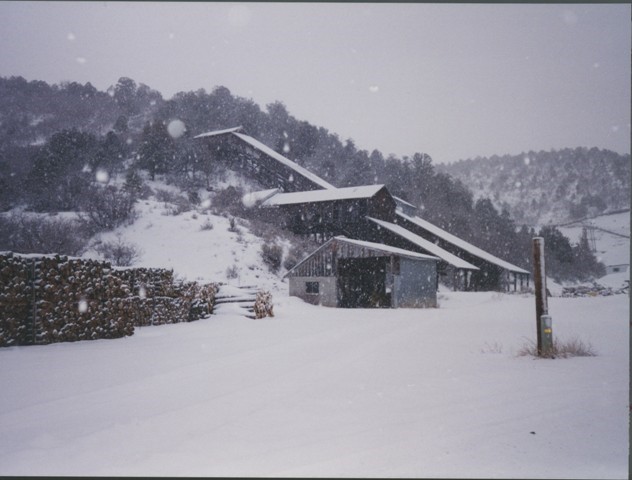
Catalog number: 16.20.13 King Coal Mine as seen in the 1990s.