


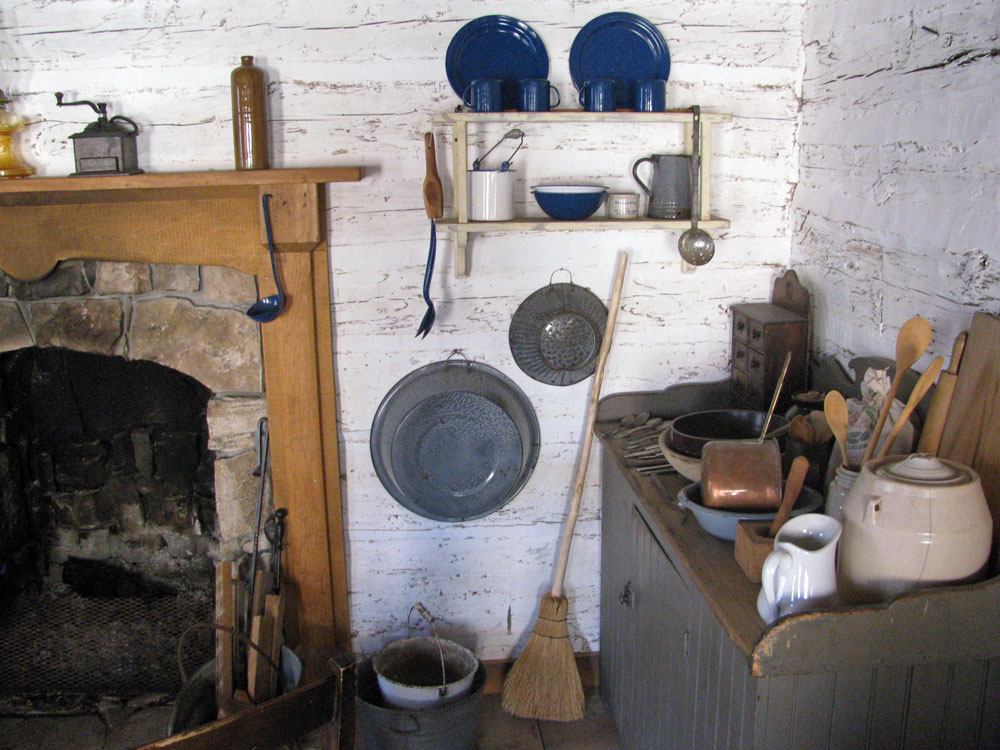
The heart of the house was the kitchen and fireplace area. The introduction of the cook stove in 1839 revolutionized cooking in the United States. The stoves were often too heavy to bring on the journey west in a covered wagon. The women in Animas City would often have to relearn how to cook over an open hearth using a crane to hold pots over the fire. Bread was baked in Dutch ovens with coals from the fire placed on top and underneath the large cast iron pot. The railroad arrived in 1881, allowing cookstoves and other luxury goods to be shipped to weary homemakers.
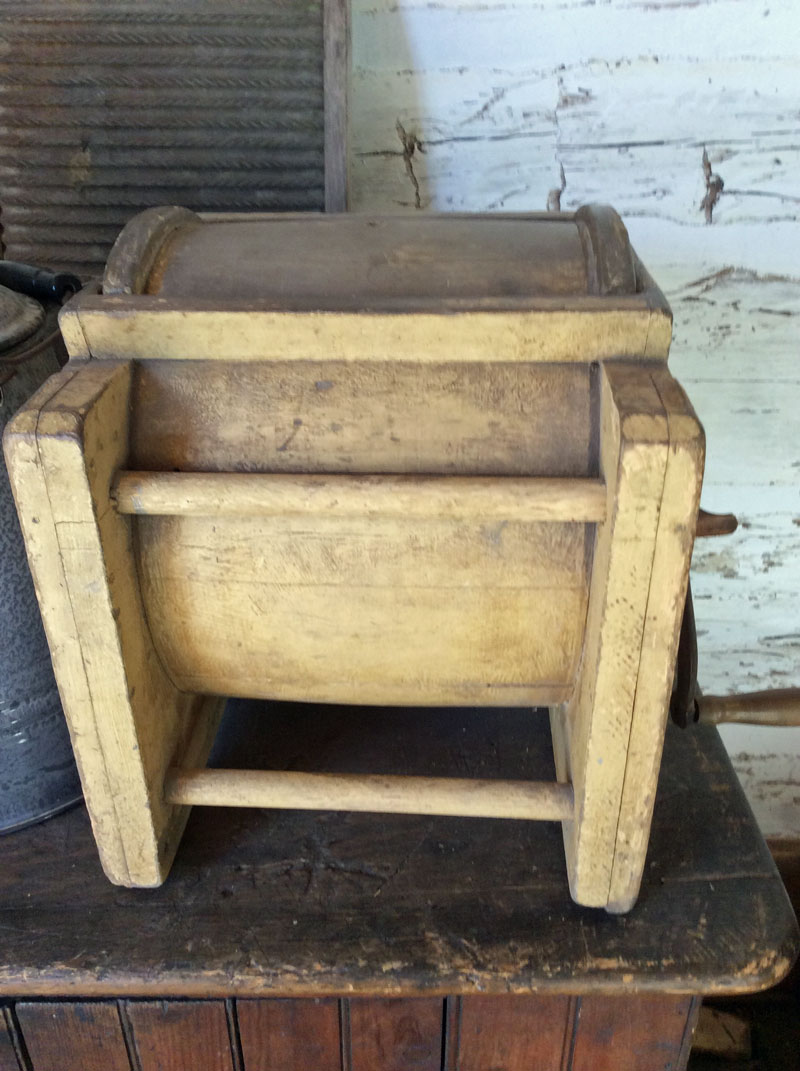
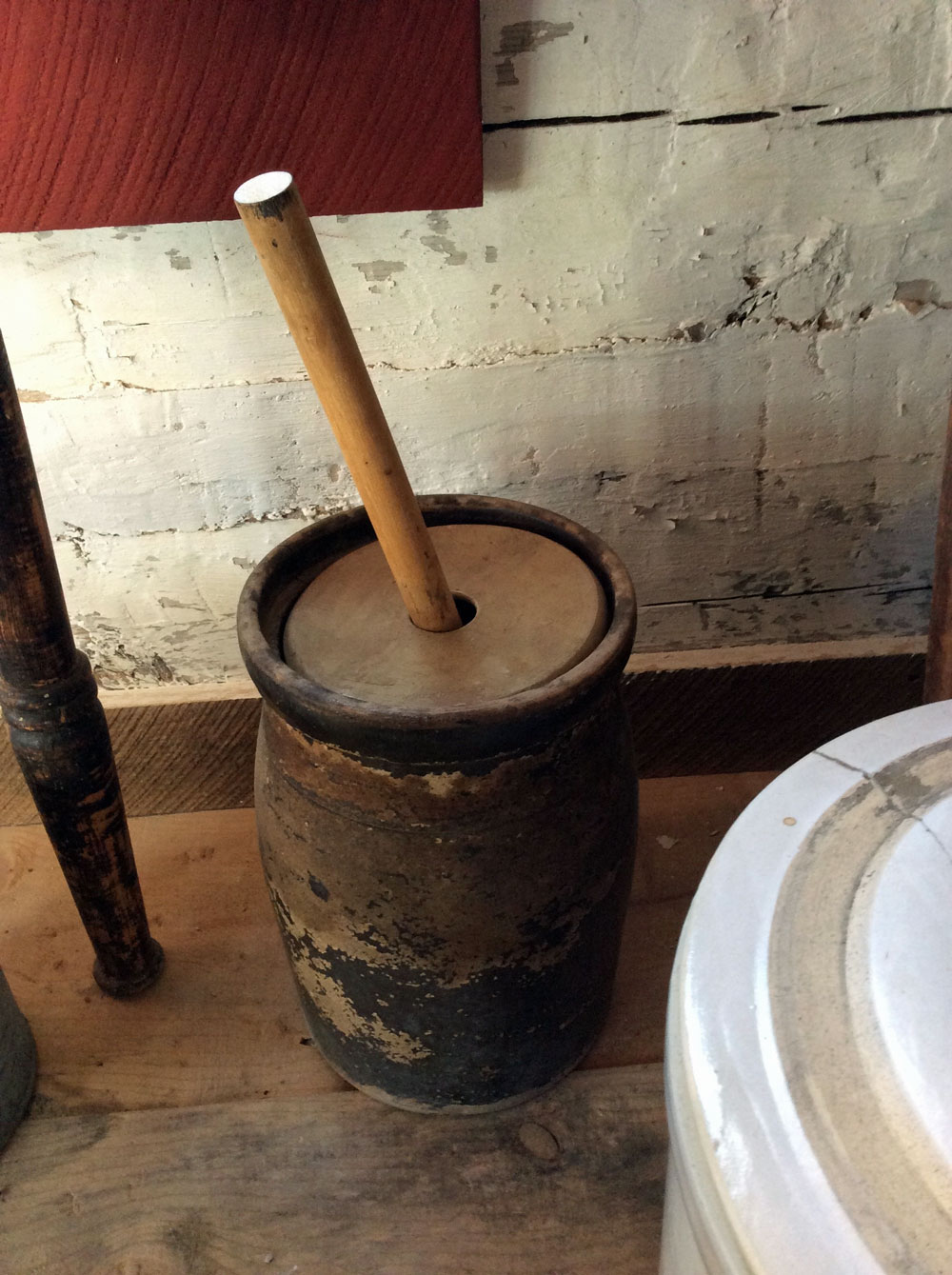
Fresh butter was scarce and in this area could command $1 a pound in 1876 (over $22 by today’s standards). Women with access to milk cows could supplement their families’ income by making good use of their butter churns. Two types of butterchurns are seen in the images below.
Food was often dried, canned, or pickled for preservation. To keep food like milk and butter from spoiling, it could be lowered down into the well in a bucket or put in a specially made box in a stream or river. This cabin had a separate root cellar below ground for cool food storage. White flour shipped from Denver was expensive ($30 per hundred pounds) so was only used for biscuits on Sundays.
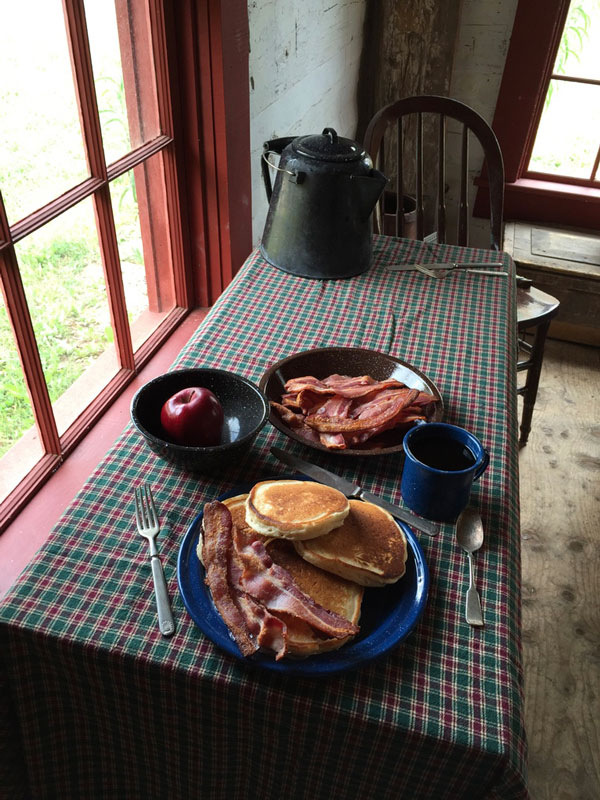
The family would have eaten at least two meals a day together in the "dining room." Breakfast might have consisted of bacon, flapjacks (pancakes), biscuits, and coffee. Lunch, frequently called dinner, was often leftovers packed in a pail to be eaten in the field or at school. Supper would consist of meat, beans or potatoes, a seasonal or home-canned vegetable, home made bread and coffee. Dessert might be canned peaches or cobblers of dried fruit.
Water for drinking, cooking, dishwashing, bathing, laundry and housecleaning had to be brought inside in buckets. Without indoor plumbing, household use required an average eight to ten trips a day from the water source. Remember, the average bucket holds four gallons of water and weighs over 33 pounds when full! Most houses in early Animas City were near the river, springs or small creeks such as Junction Creek. The owners of the Joy Cabin were lucky; it was built over a spring at its original location, making it easier for the women and children of the house to get water.
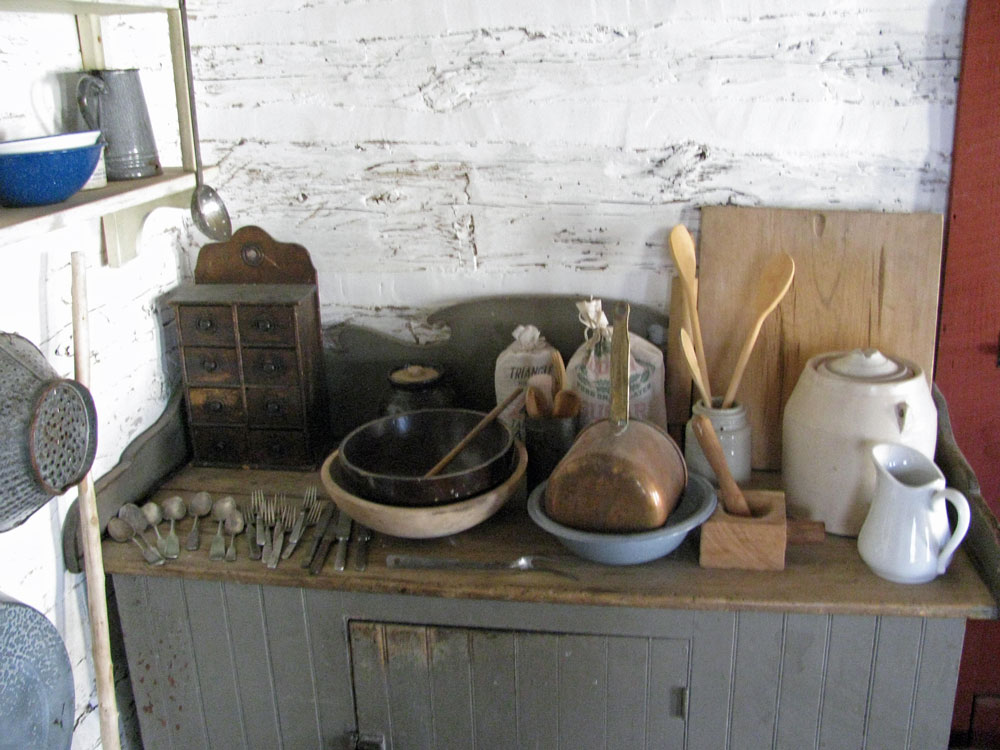
The kitchen was also the laundry room. Mondays were reserved for doing the laundry in Victorian times. The day started early for women who carried pails of water to heat for washing. Dirty clothes were boiled in water then scrubbed on a washboard with homemade soap before being rinsed, wrung out, then hung to dry. If the weather was bad, lines might be strung throughout the cabin to hang drying clothes.
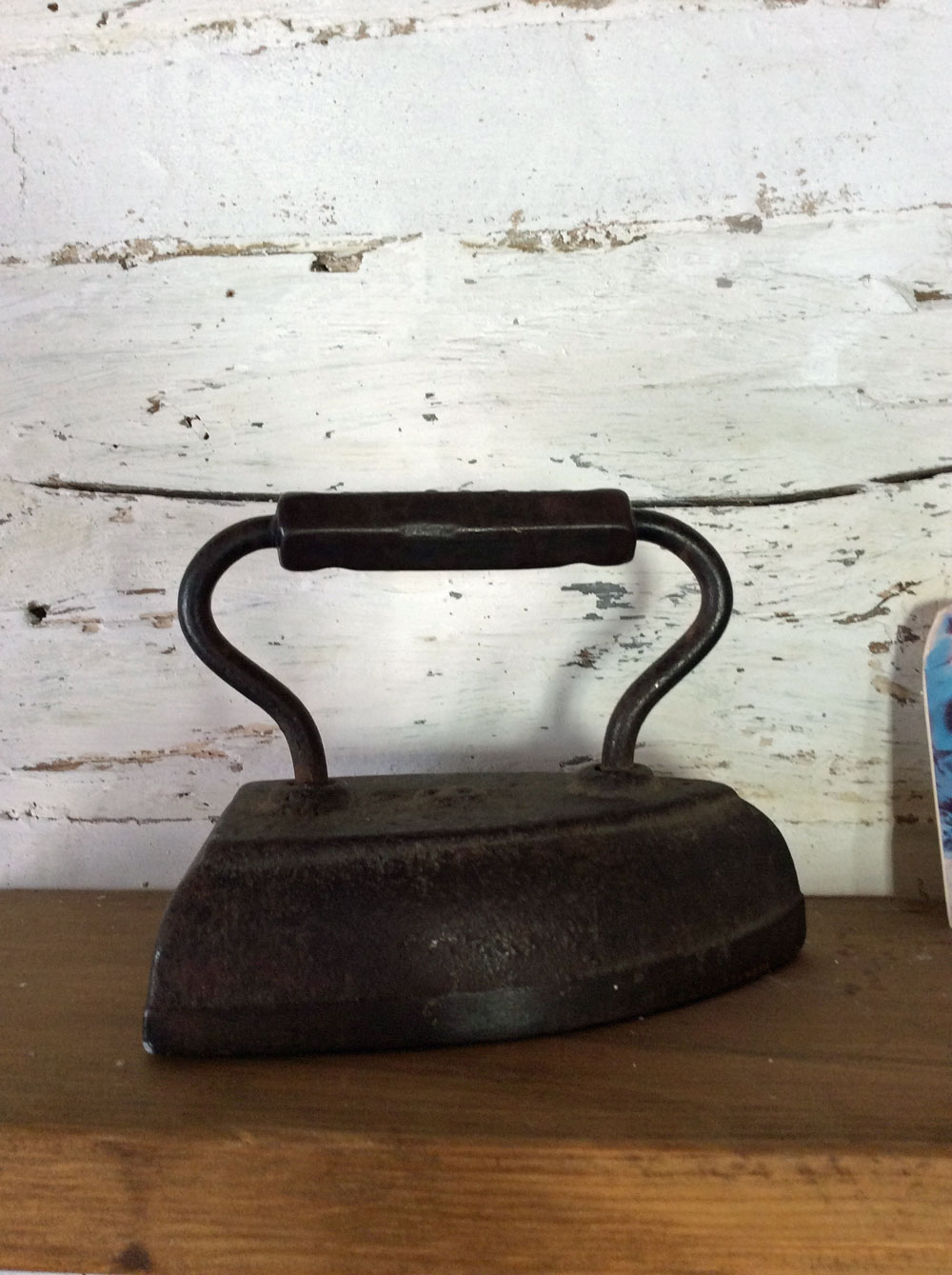
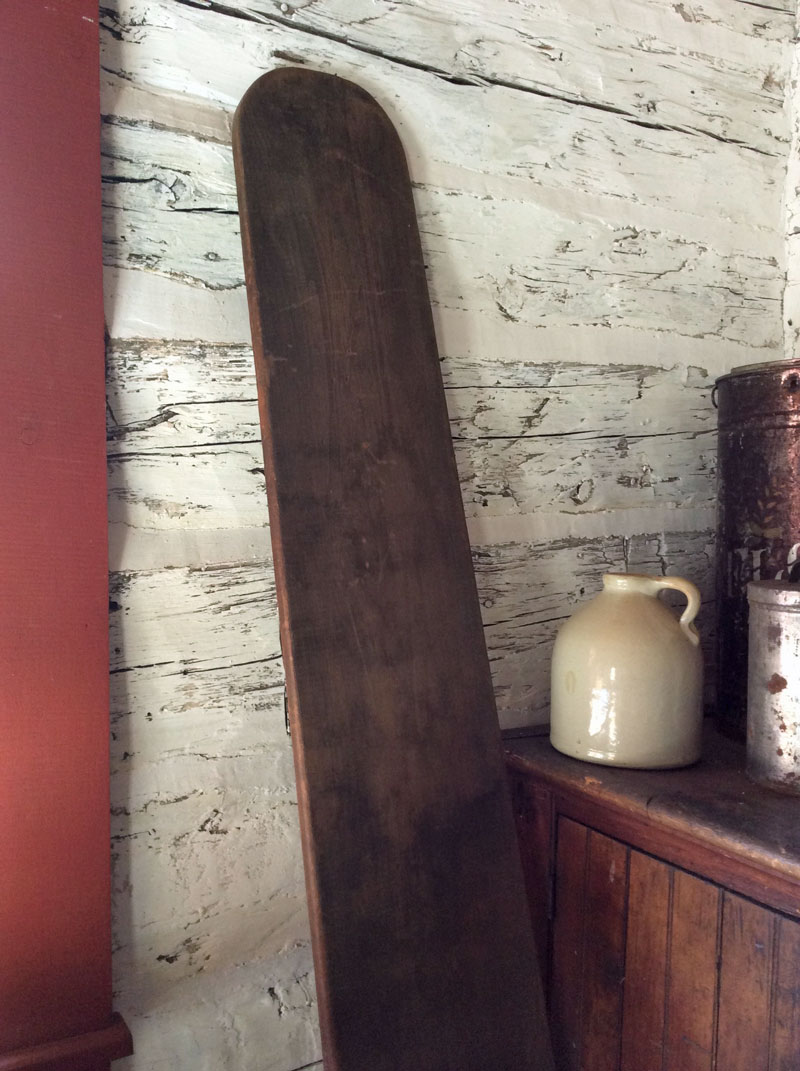
By Tuesday, the clothes and household linens were usually dry enough to iron. The ironing board (above right) would be set up and several flat irons (above left) would be heated in the fire at a time. One iron (the heavier the better to get wrinkles out of cotton fabrics) would be used until it was too cool to be effective. It would be placed back in the fire to reheat while a hot iron was used. This process repeated dozens of times until the family’s clothing and linens were crisp and free of wrinkles. Since doing the laundry was so difficult and time consuming, women were happy to send their dirty clothes out to be washed as soon as a professional laundry came to town.
Learn more about laundry and ironing in our Pumping Iron online exhibit.