

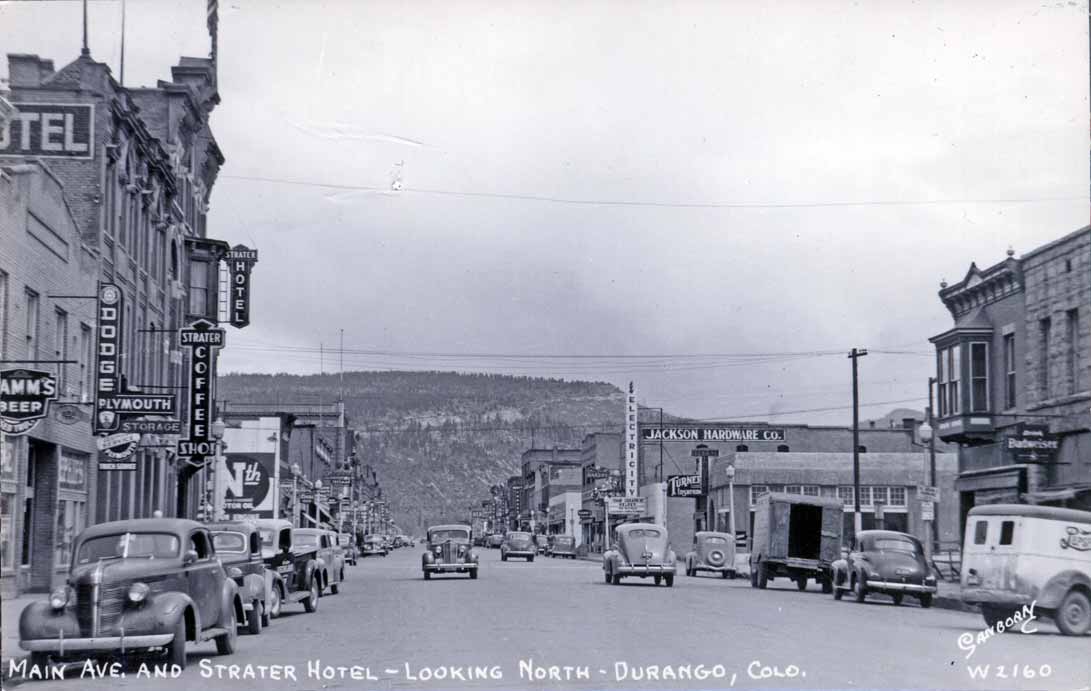
 Henry Ford’s automotive assembly line made it possible to manufacture affordable cars for Americans. In 1920 over 8 million cars were registered, increasing to over 23 million by the end of the decade. Those early cars were sturdy and practical with box-like lines and spoke wheels. This gave them the appearance of their predecessor, the buggy.
During the Depression it was common for families to keep those 1920s models running. There was no shortage of mechanics and garages to perform repairs (including Laurence Peterson’s AllCars). Spare parts were readily available from catalogs. While times were tough, some Americans still had money for new cars and the 1930’s models were more luxurious than the old “Tin Lizzies”. The 30s saw the introduction of sleek, rounded body styles which featured radios, heaters, trunks, tilted windshields, extended hoods, automatic transmissions, powerful engines and gearshifts on the steering column. The “Big 3” auto companies, General Motors, Ford, and Chrysler made cars that were closely related to our modern models.
City directories from the 1930s indicate there were several dealerships in Durango where residents could purchase one of these modern marvels, or at least admire them through the showroom window.
- Hocker Motor Company – 800 2nd Ave.
- Locke-Nash Motor Company – 640 Main Ave.
- Southwestern Motor Company (Ford) - 678 2nd Ave.
- Calhoun & Pinkerton (Pontiac) – 1150 Main Ave.
- Channel Motor Company – 990 2nd Ave. later 661 Main Ave.