Laundry
Mondays were traditionally laundry day in the 19th and early 20th centuries. One of the most difficult jobs for women was keeping the household supplied with clean clothes and linens. The job was so immense, mothers typically kept their daughters home from school on Mondays to help. The image below shows a young lady named Alice helping to haul water in 1932 (catalog number 15.19.11.57).
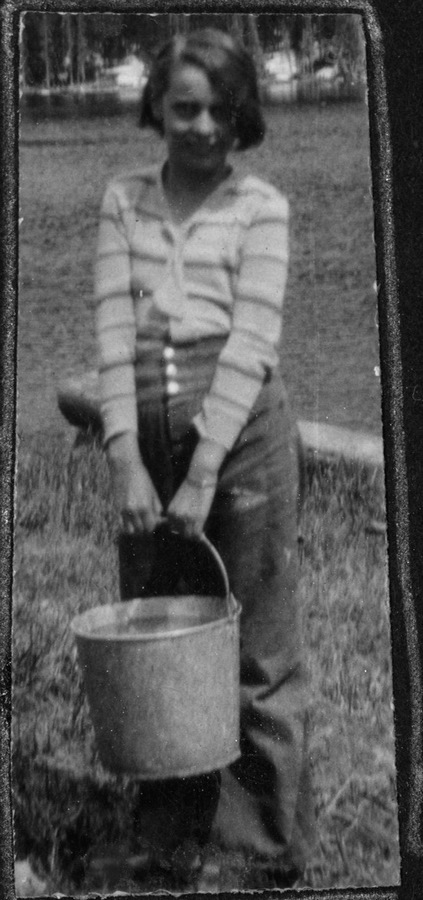
The day started early with hauling buckets or tubs of water from the pump outside to the stove for heating. Clothes and sheets were soaked in water with soap, scrubbed on the washboard or with an agitator in the tub, rinsed, then twisted to wring out the excess water. One wash and rinse could use 50 gallons of water and each gallon weighed over 8 pounds.
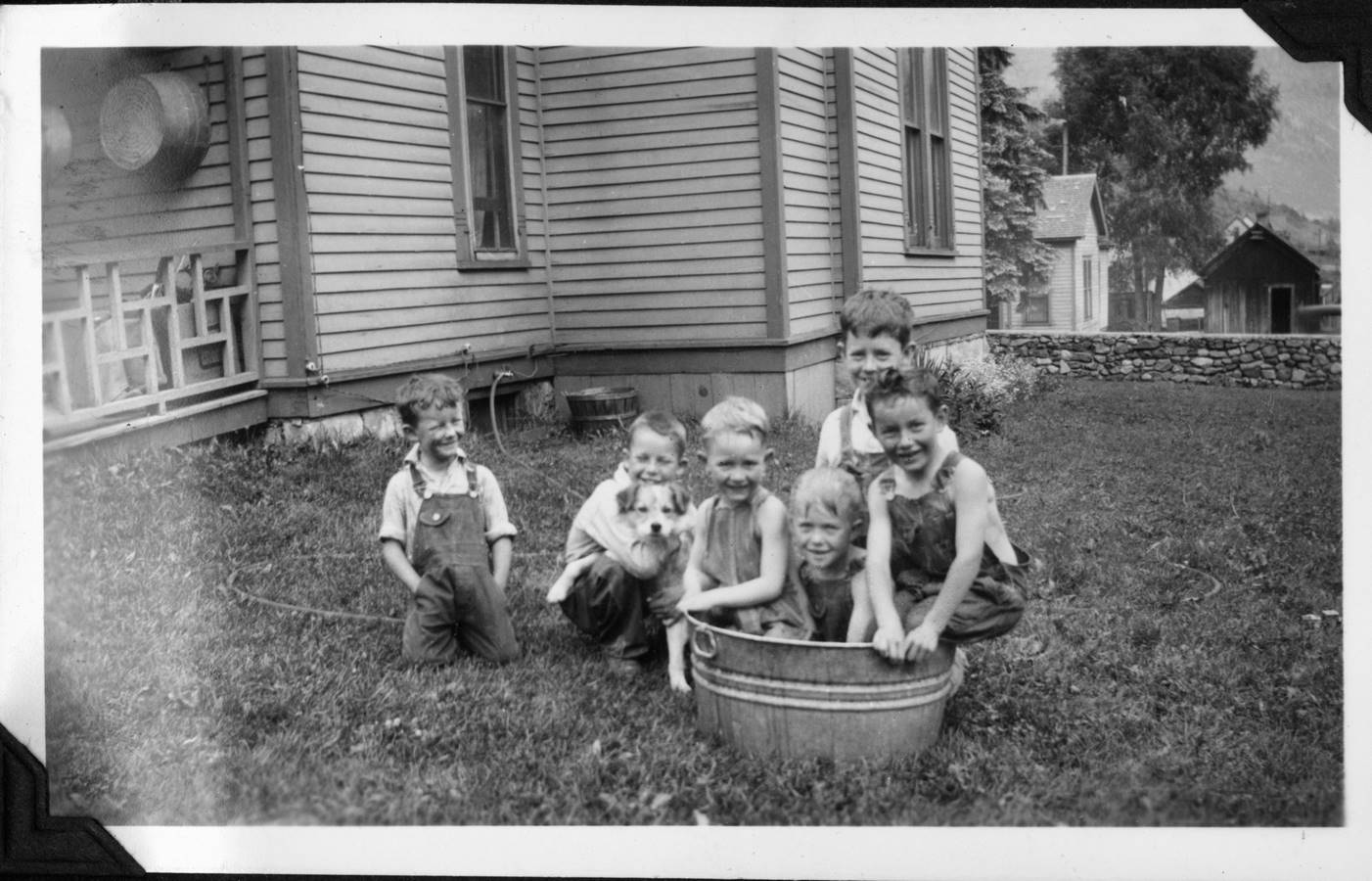
The image above (catalog number 15.59.11.49) shows a group of kids playing in a washtub. Other washtubs are visible hanging on the side of the house, ready for washday.
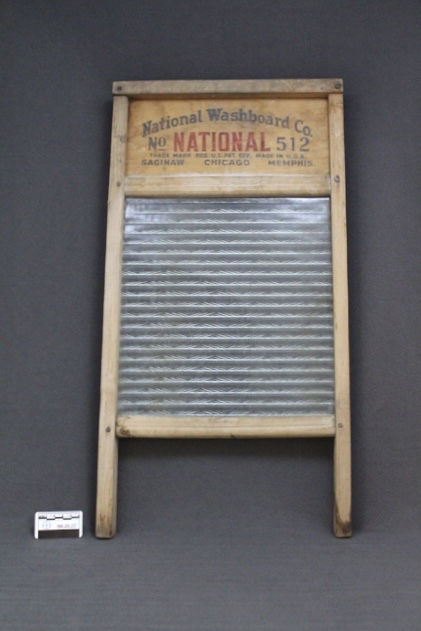
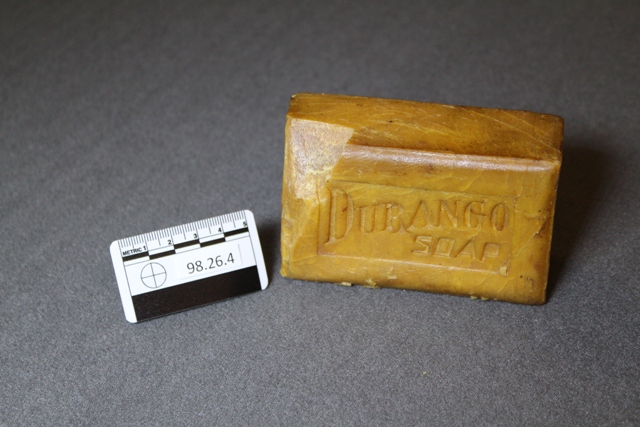
Here is an example of a washboard in the Museum's Collection (catalog number 88.20.22). The bar of soap pictured below (catalog number 90.26.4) was made in Durango. The advertisements for Durango Soap proclaimed it was for "laundry, bath or toilet" and that "a trial will convince you".
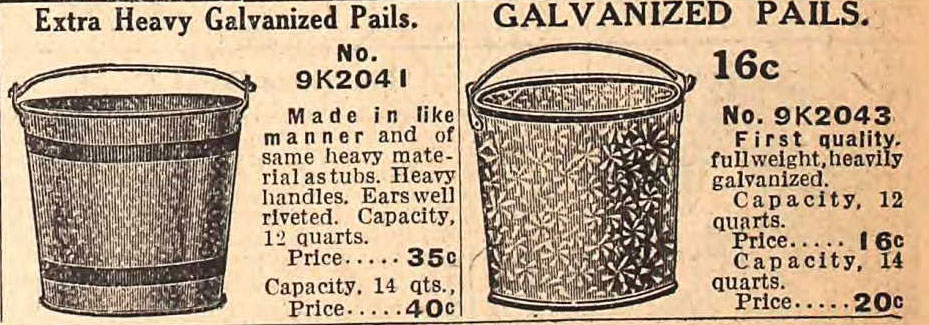
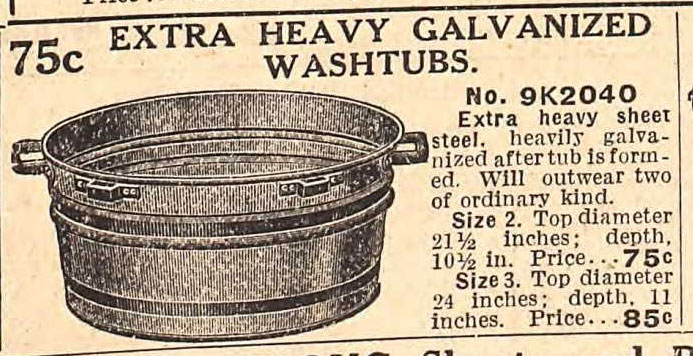
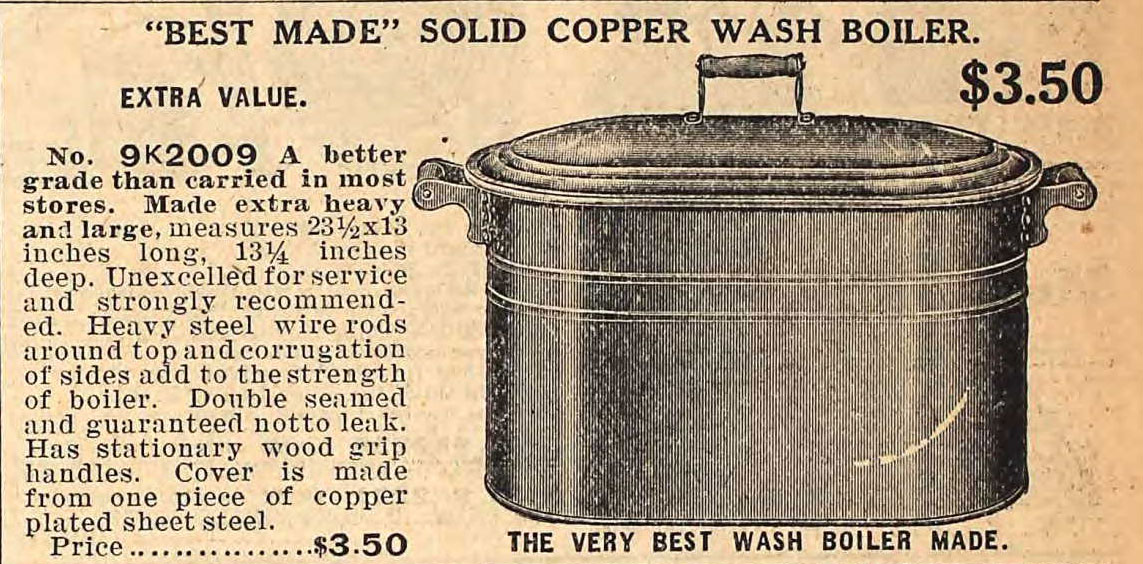
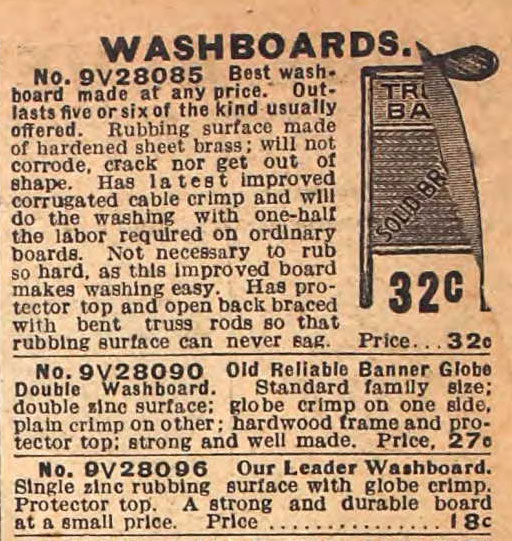
Everything you needed to do the laundry could be obtained from the Sears catalog. The images below are from the 1910 and 1912catalogs.