The first prospectors who came to the San Juan Country found the winters daunting. In 1860 heavy snows and cold temperatures sent members of Charles Baker’s party down the Animas Valley to spend the winter in a more temperate area. During the warmer months, supplies and mail were sent to the mining camps from the ranches in the Valley by pack train, wagons, or stagecoach. Once the snow started falling, horses, burros, and oxen had a much harder time. Sleighs could be used over packed roads. Travel between the small towns popping up to support miners and ranchers were relegated to men on “snowshoes.”
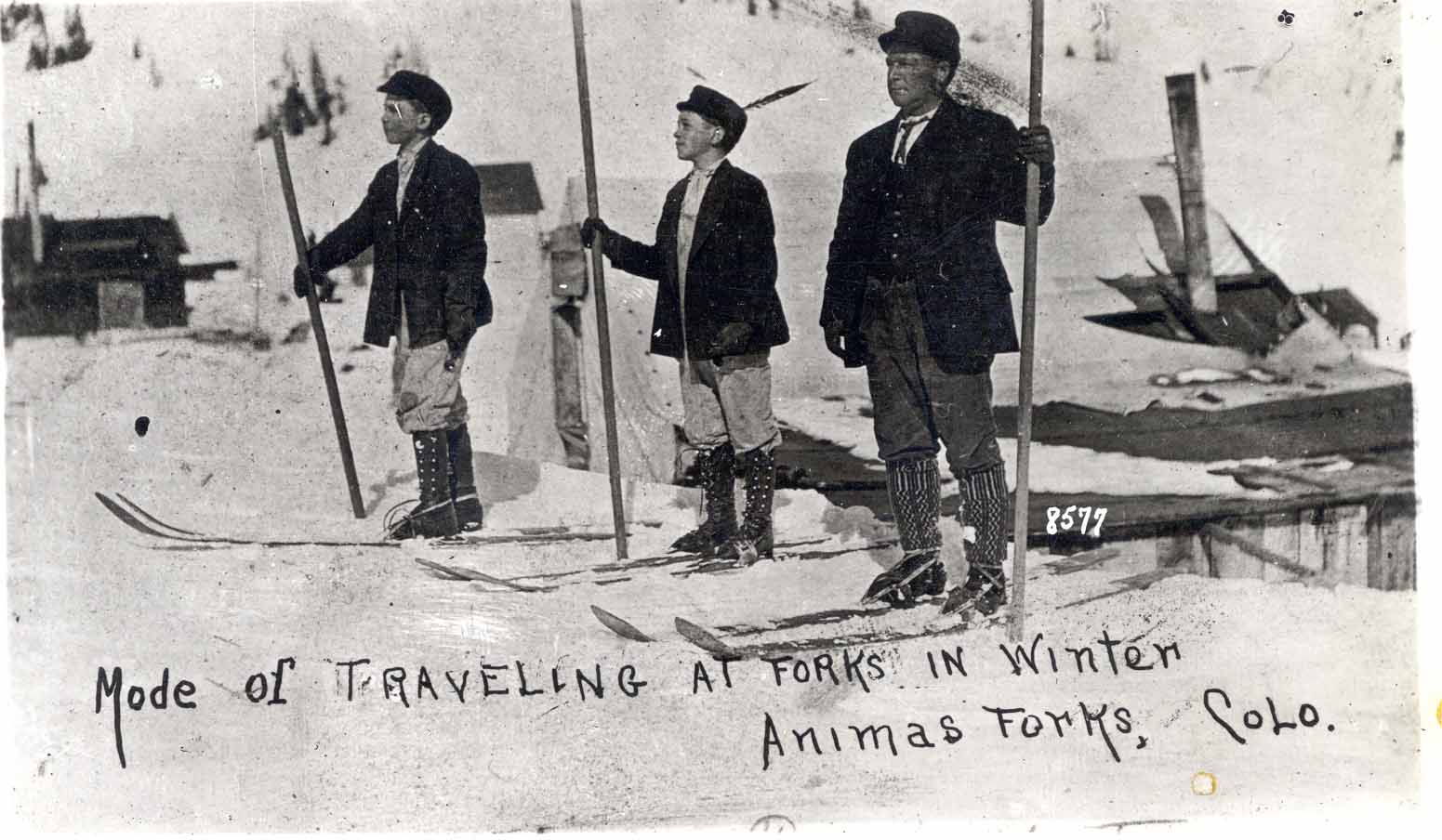
Catalog number: 03.15.7
Early “snowshoes” would be called skis today. They were made of wood; wider than modern skis and up to 11 or 12 feet in length. A simple leather strap kept the skier’s boots on the skis. “Webs” or oval-shaped frames strung with sinew were introduced several years after the first settlers arrived in the San Juan Country but were never as effective for long distance travel as skis. Thomas Greatorex, an early pioneer, ordered a custom pair of snowshoes from a carpenter in Del Norte in 1880. He was extremely proud of his 11 foot boards made of white hickory!
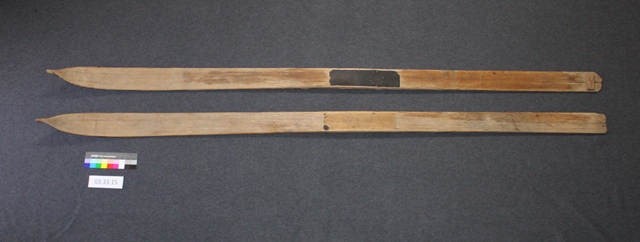
Catalog number: 03.33.15
Supplies could be “laid in” for the long winter but the mail provided a vital link to the outside world and could only be brought in by men on skis. Hans Aspaas came to the area in 1874 from Norway. He along with a few other “champions” like John Greenell and Oliver Wright carried the mail on skis from Silverton to Del Norte, more than 40 miles each way over Stony Pass. They each made several four-day trips that winter, carrying letters and supplies such as sugar, coffee, and dried fruit.
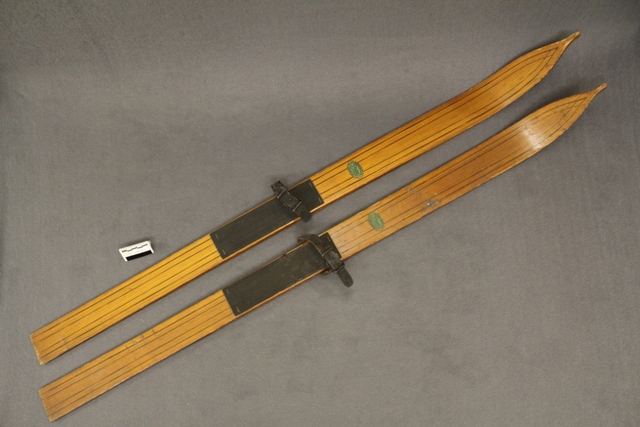
Catalog number: 05.54.1 Gift of Helen Ruth Aspaas
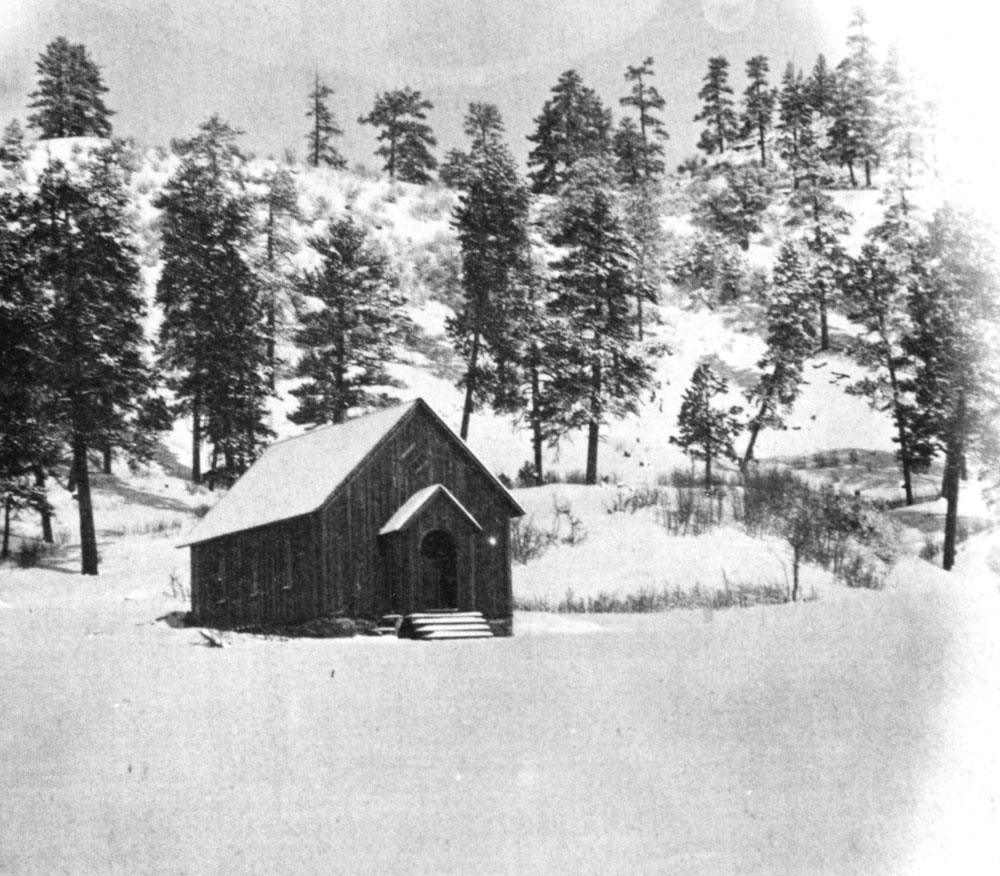
Reverend George Darley, who held the first church service in Animas City, traveled on skis to preach his sermons. On seeing the photograph below of the church, one can imagine what it might have been like for him in the winter.