

The fight for women's right to vote lasted more than 80 years. Women organized in their states or territories as well as petitioned for a constitutional amendment.
From the beginning, suffragists sought to make the women's rights debates public. In the 1870s, they adopted civil disobedience by attempting to vote. When Black women were excluded from some suffrage organizations, they formed separate advocacy groups. In the 1910s, activists staged nonviolent tactics of protest like parades and picketing. Eventually, the movement culminated in the ratification of the 19th Amendment in 1920. Nevertheless, until the 1965 Voting Rights Act, the right to vote for some women was often suppressed.
This poster exhibition aims to give a more complete account of the struggle for women's right to vote by considering the complex, cumulative way in which multiple forms of discrimination intersected in women's lives.
Top image:
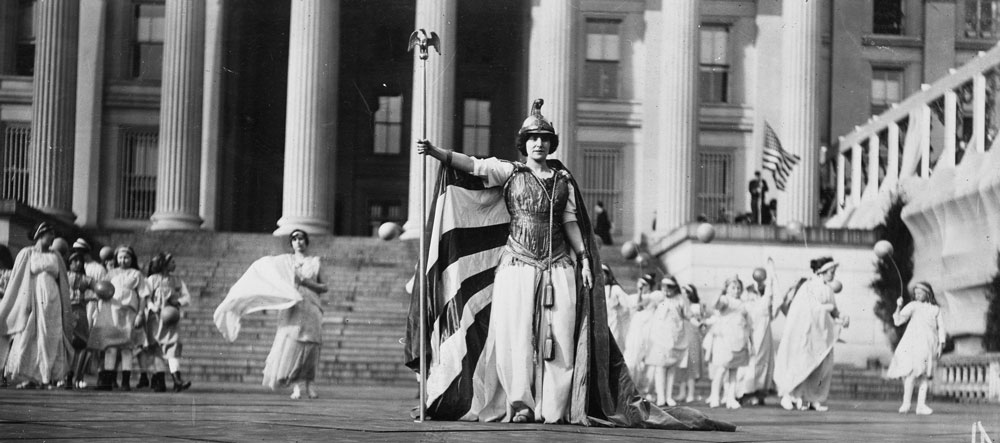
To step before Columbia, the allegorical symbol of the United States, was the ultimate goal of the 5,000 women suffragists processing down Pennsylvania Avenue in Washington, D.C., on March 3, 1913. Columbia, played by actor Hedwig Reicher, gave them her approval and endorsement of their cause, symbolically granting the women the right to vote. Bain News Service, glass negative, 1913, Library of Congress, Prints and Photographs Division, Washington, D.C.
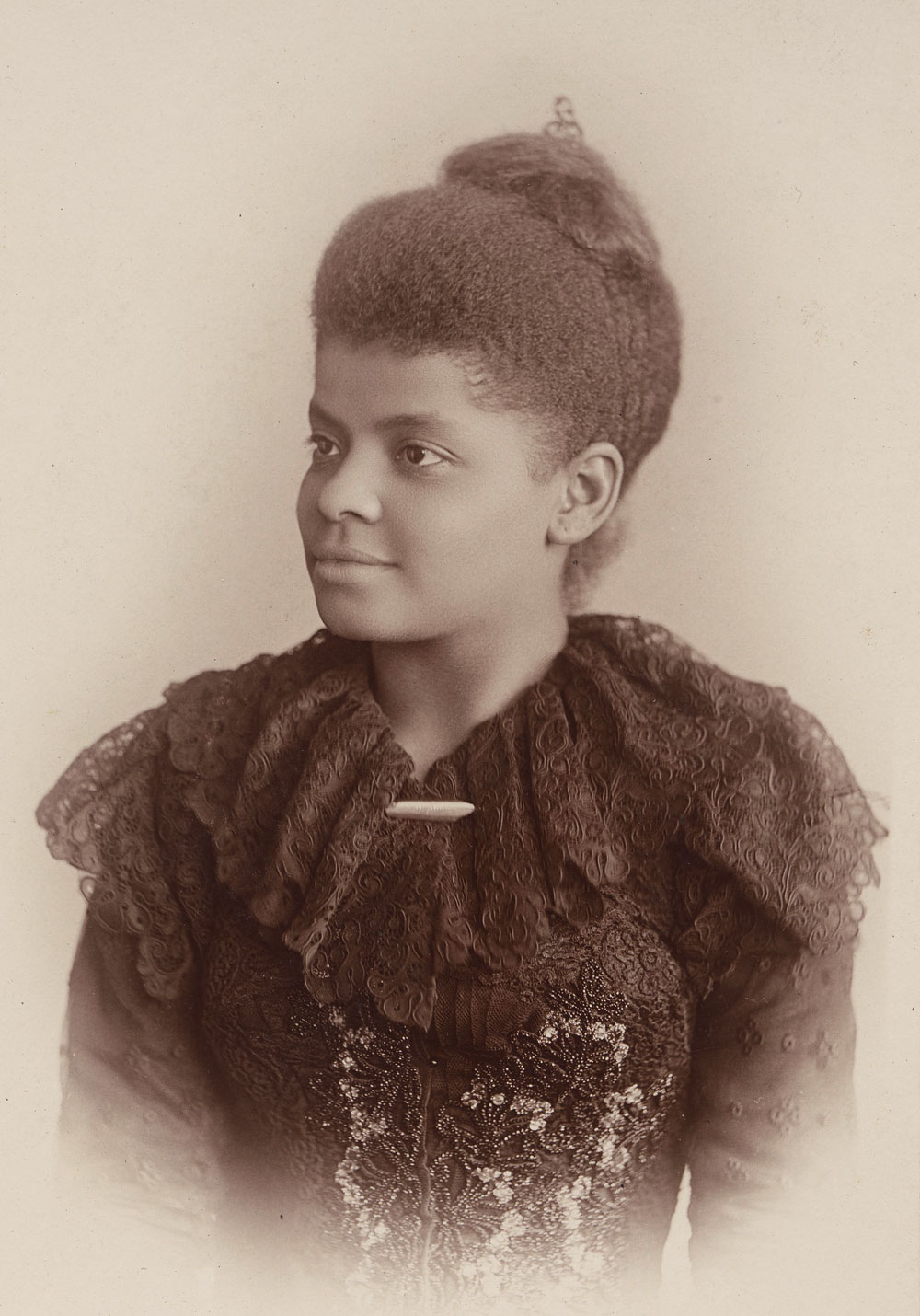
An investigative reporter who crusaded against lynching, Ida B. Wells (1862-1931) was one of the most important journalists of the late 1800s. At the 1913 suffrage march in Washington, D.C., she refused to walk in the back where Black women were being segregated. Instead she took her place at the front of the Illinois delegation. Albumen silver print by Sallie E. Garrity, c. 1893 Courtesy of National Portrait Gallery, Smithsonian Institution
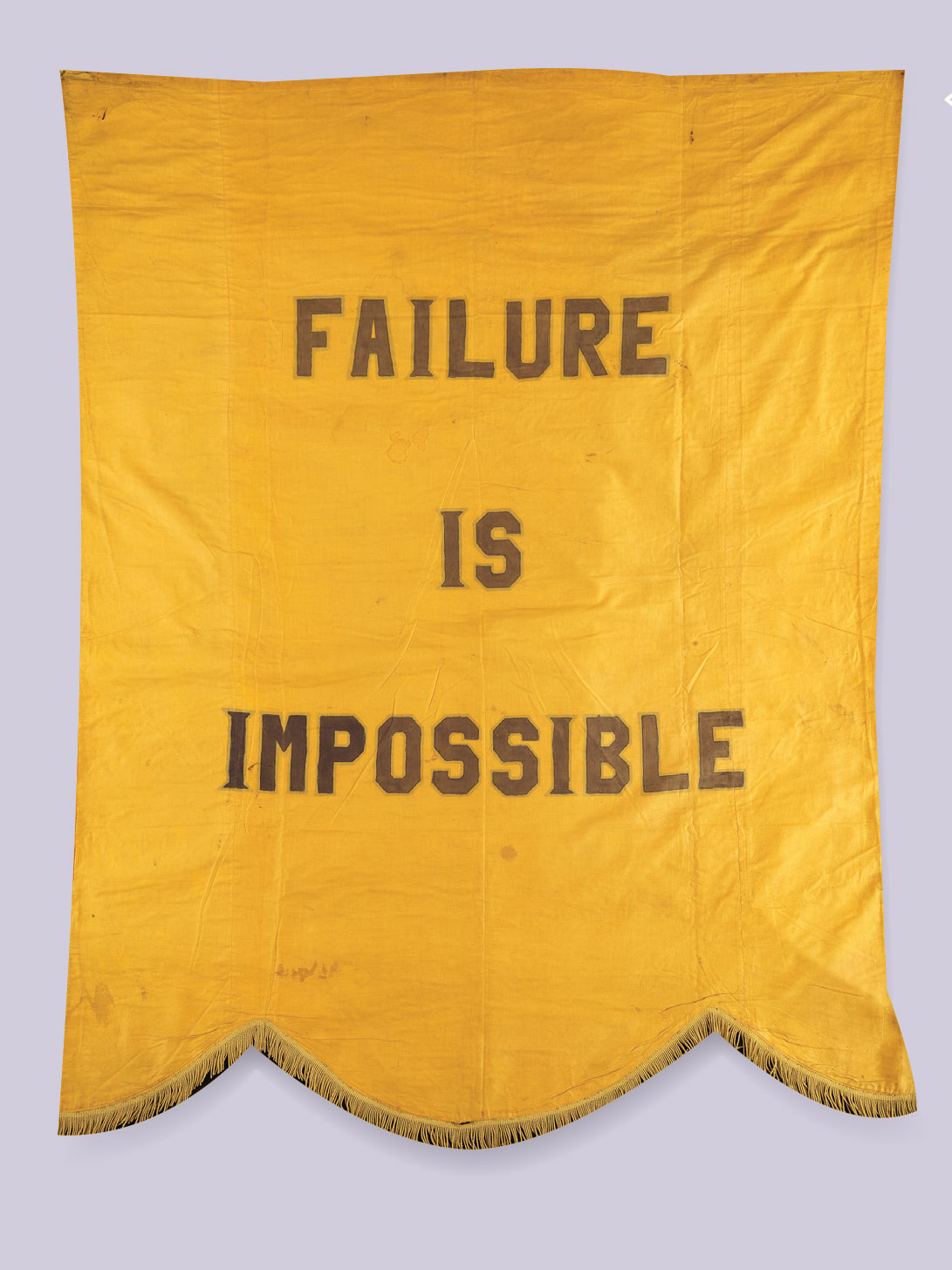
Suffragist banner, c. 1913-1920 Handmade banners were a feature of suffragist marches in the 1910s. This one takes its slogan from Susan B. Anthony: "With such women consecrating their lives, failure is impossible." Courtesy of National Woman's Party, Washington, D.C.