

Women's Voting Rights Originated in the Women's Movement
The focus on voting rights grew out of a much longer campaign for women's legal rights. In most states until the 1880s, when a woman married, her husband assumed control of her person, property, and money. The women's movement sought to increase women's rights.
The antislavery movement also played a role. When some male abolitionists blocked women from joining their organizations, women formed their own societies, including the first female antislavery society, in Salem, Massachusetts, in 1832. Black women were among its founders.
By the first women's rights convention in 1848 at Seneca Falls, New York, women of all races were decrying laws that assumed that "citizen" meant "white male."
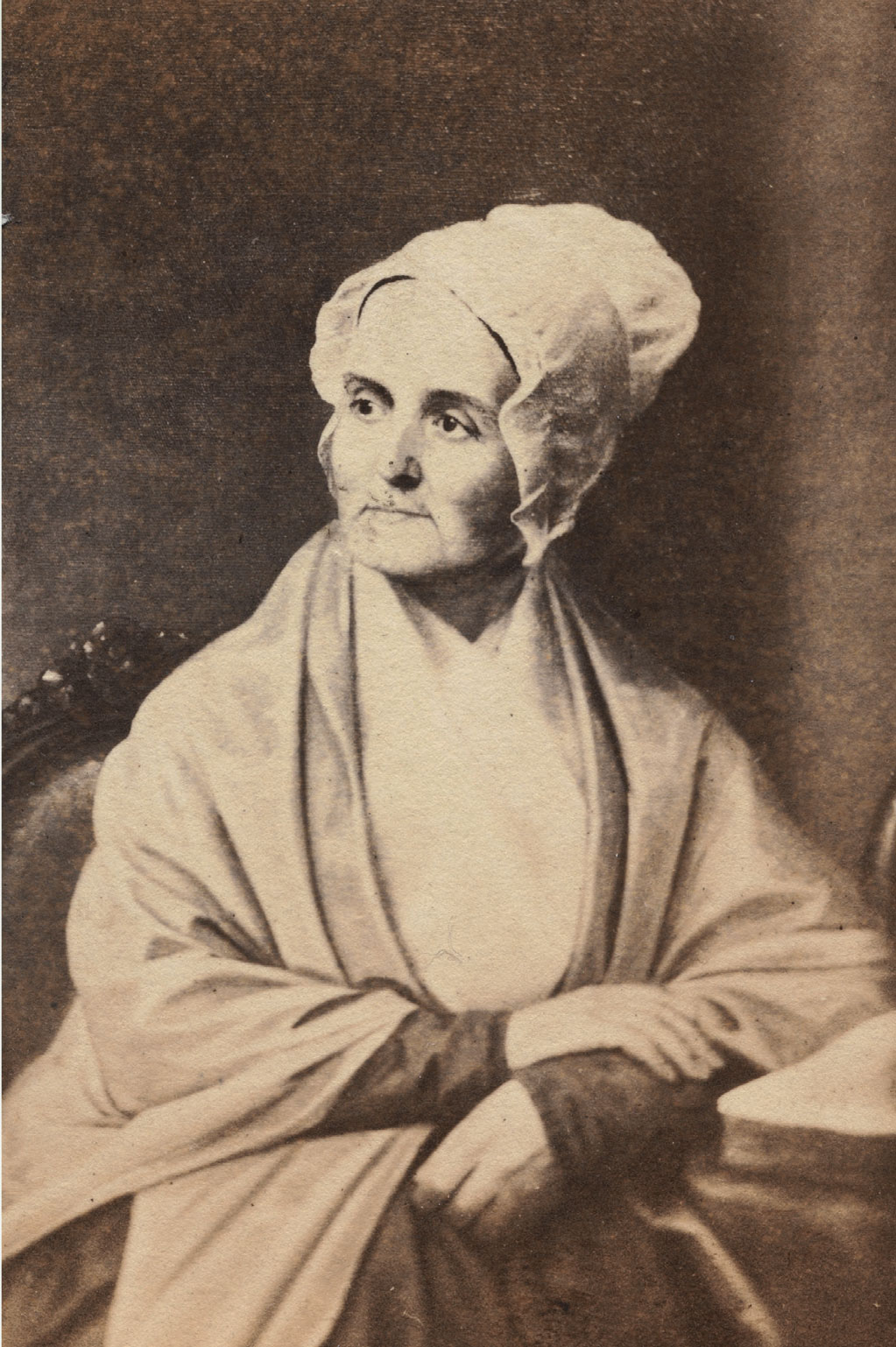
Lucretia Coffin Mott A devout Quaker, Lucretia Mott (1793-1880) worked tirelessly for abolition and for women's rights. She helped found the racially integrated Philadelphia Female Anti-Slavery Society (1833), helped organize the women's rights convention in Seneca Falls (1848), and was the first president of the American Equal Rights Association (1866). Surprisingly, she did not advocate for women's suffrage but did support marriage reform, saying marriage was "civil death" for women. Albumen silver print, c. 1865 Courtesy of National Portrait Gallery, Smithsonian Institution; gift of Frederick M. Rock
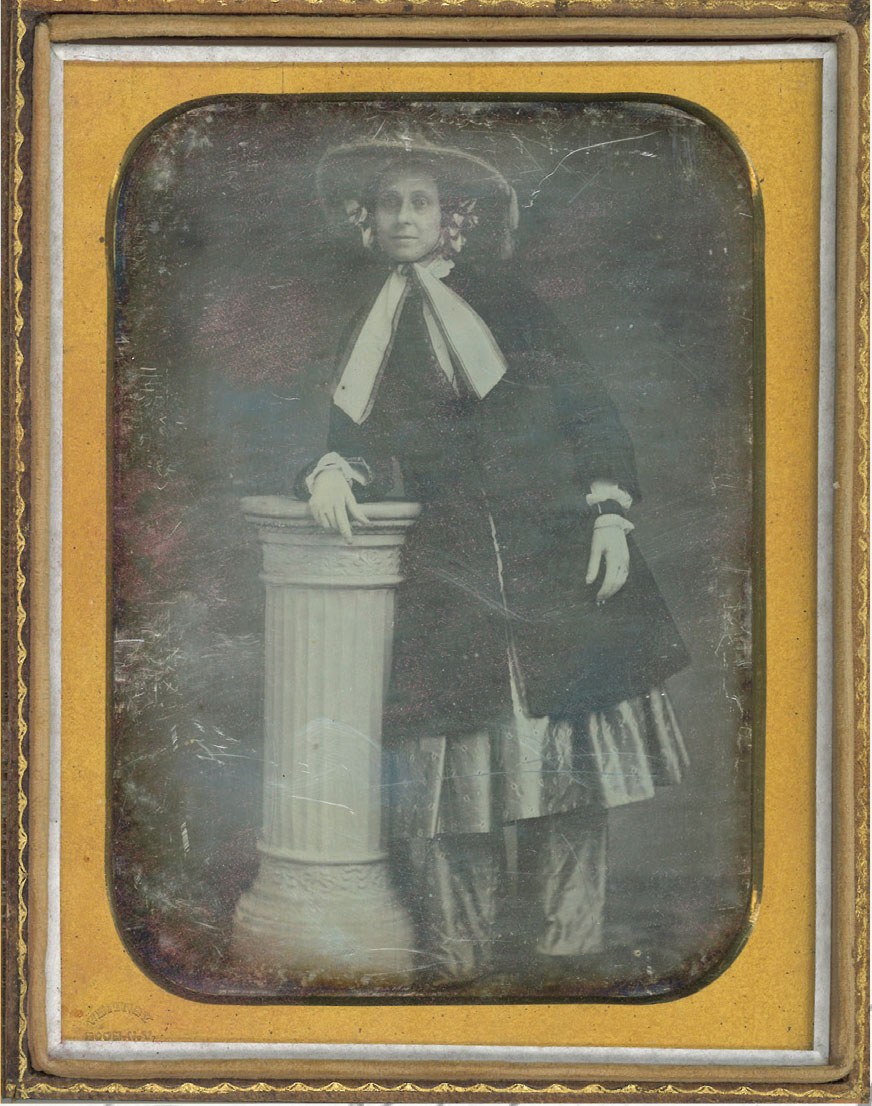
Amelia Bloomer Some reformers sought an end to restrictive corsets and cumbersome skirts. Activist Amelia Bloomer (1818-1894), who started one of the first newspapers for women, endorsed a look that combined a short skirt with loose trousers. This was a revolutionary alternative for women who were accustomed to wearing restrictive clothing. Daguerreotype, c. 1853 Courtesy of Seneca Falls Historical Society
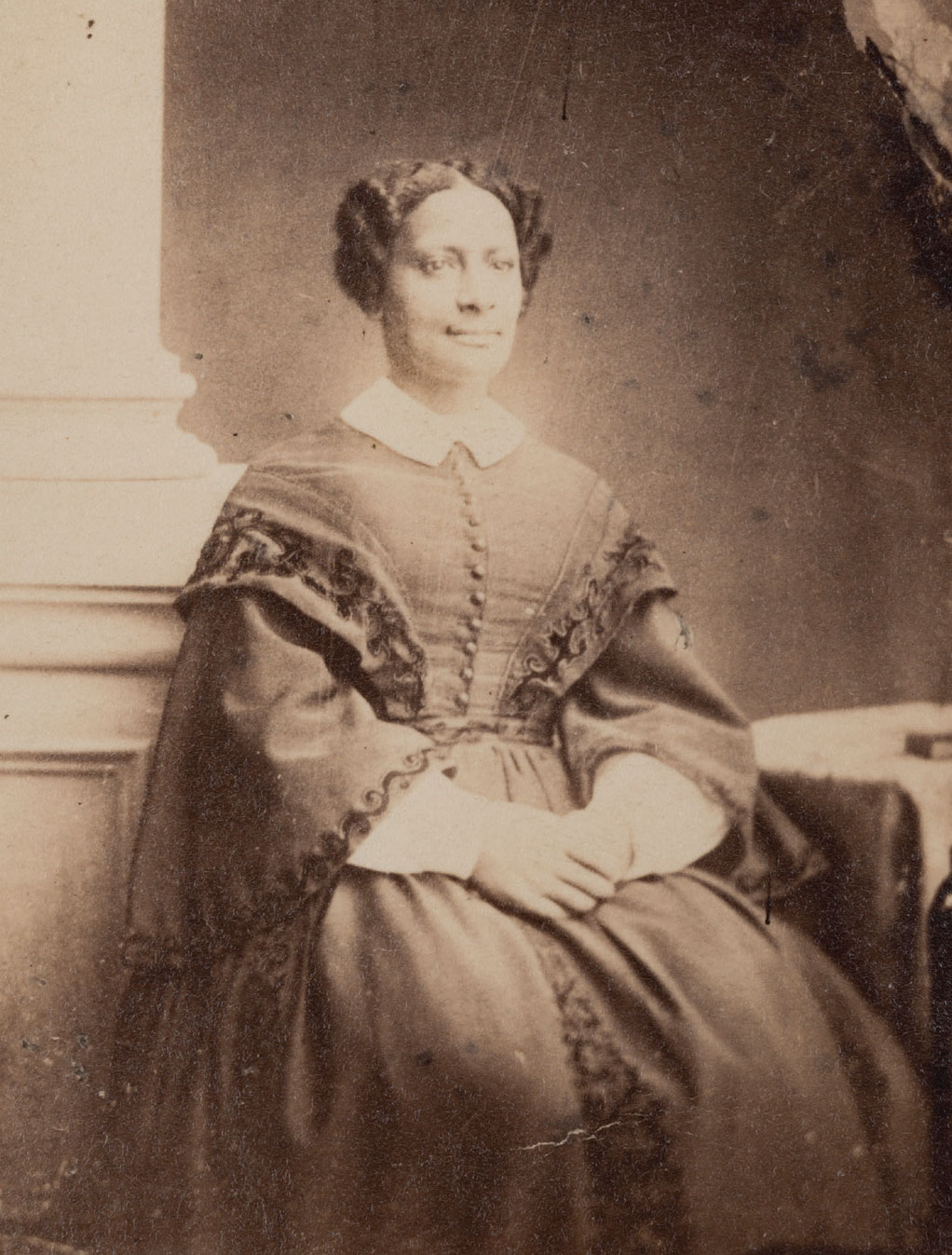
Sarah Parker Remond (1815-1894) forged alliances with other free Black women, as well as white women, when she participated in several antislavery societies in Massachusetts. In 1853, after being forcibly ejected from her seat at an opera because she was Black, Remond sued the Boston Athenaeum and won $500. In winning, she recognized the value and power of her words, and in 1856 she became a paid lecturer for the Massachusetts Anti-Slavery Society. Albumen silver print, c. 1866 Courtesy of Peabody Essex Museum, Salem, Massachusetts; gift of Miss Cecelia R. Babcock