World War I in La Plata County
Homefront Knitting
Homefront Knitting
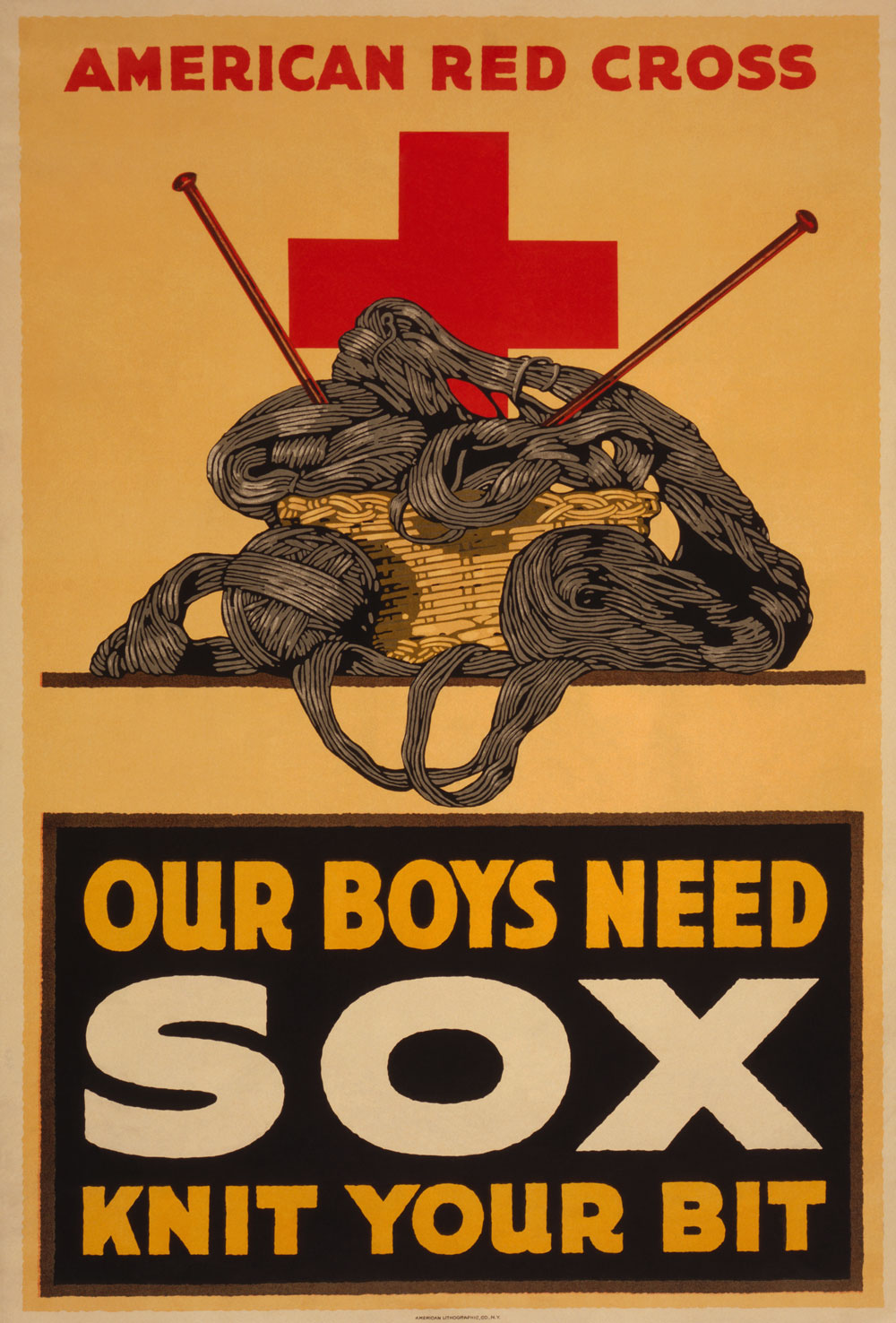
While women were not allowed to fight in the first World War, they sure could knit. And knit they did! When the first American Expeditionary Forces hit the trenches in November of 1917, they faced a bitterly cold and damp winter in northern France and Belgium. The standard issue wool uniforms and “trench” coats were not enough to keep men warm. In the summer of 1917, the America Red Cross put out a call for knitted goods to keep the doughboys warm. They requested one and a half million pairs of socks, mitts, scarves, and sweaters. Women all over the United States, including La Plata County, carried their knitting everywhere to meet this need.
Socks were the greatest necessity as the trenches were usually flooded with water and mud. The 1917 standard issue Trench Boot had thick soles and was supposed to be waterproof, but the seams of the boots ripped out quickly. Doughboys took to wearing two pairs of wool socks at a time to keep their feet warm and dry. They had to change their socks often to prevent the fungus known as “trench foot” which could lead to gangrene and amputations. Sock patterns were circulated and knitting needles were busy as the La Plata County Red Cross strove to meet its monthly commitment of 1000 pairs of socks in January of 1918.
Women found that knitting helped them not only to feel they were doing their part in the war effort, but the process of knitting also helped to calm their worries and fears for loved ones abroad.
Music
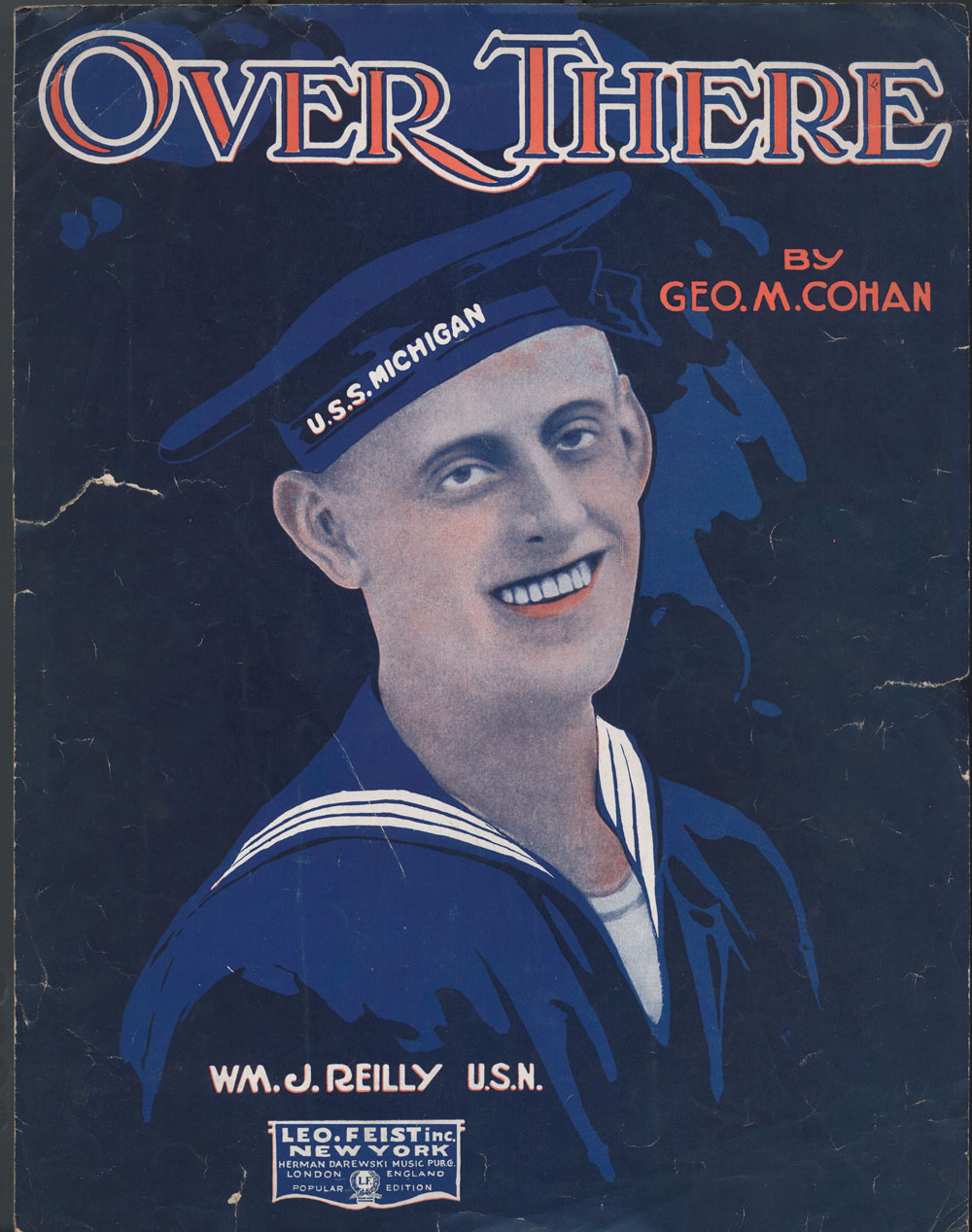
In the days before radio and iPods, every home had a piano so gathering around it to play and sing was a big part of family life. The government recognized this by encouraging composers and publishers to provide songs to encourage patriotism and support for the war effort. Here is one example in the Museum’s collection, catalog number 98.23.228.