

The Concept of Citizenship Seems Straightforward, but...
The 14th Amendment states that anyone born or naturalized in the United States is a citizen. But it goes on to specify voters must be male. The 15th Amendment asserts the vote cannot be denied because of race, color, or "previous condition of servitude." But it leaves women out of the picture. These amendments contained enough ambiguity to allow local laws and regulations to deny the vote, education, and other benefits to many citizens. Native Americans were not even granted citizenship until 1924.
Women of color organized beyond merely voting rights. Confronting a wide range of social issues, they worked to educate their people, confront white authority, claim their dignity, and campaign for justice.
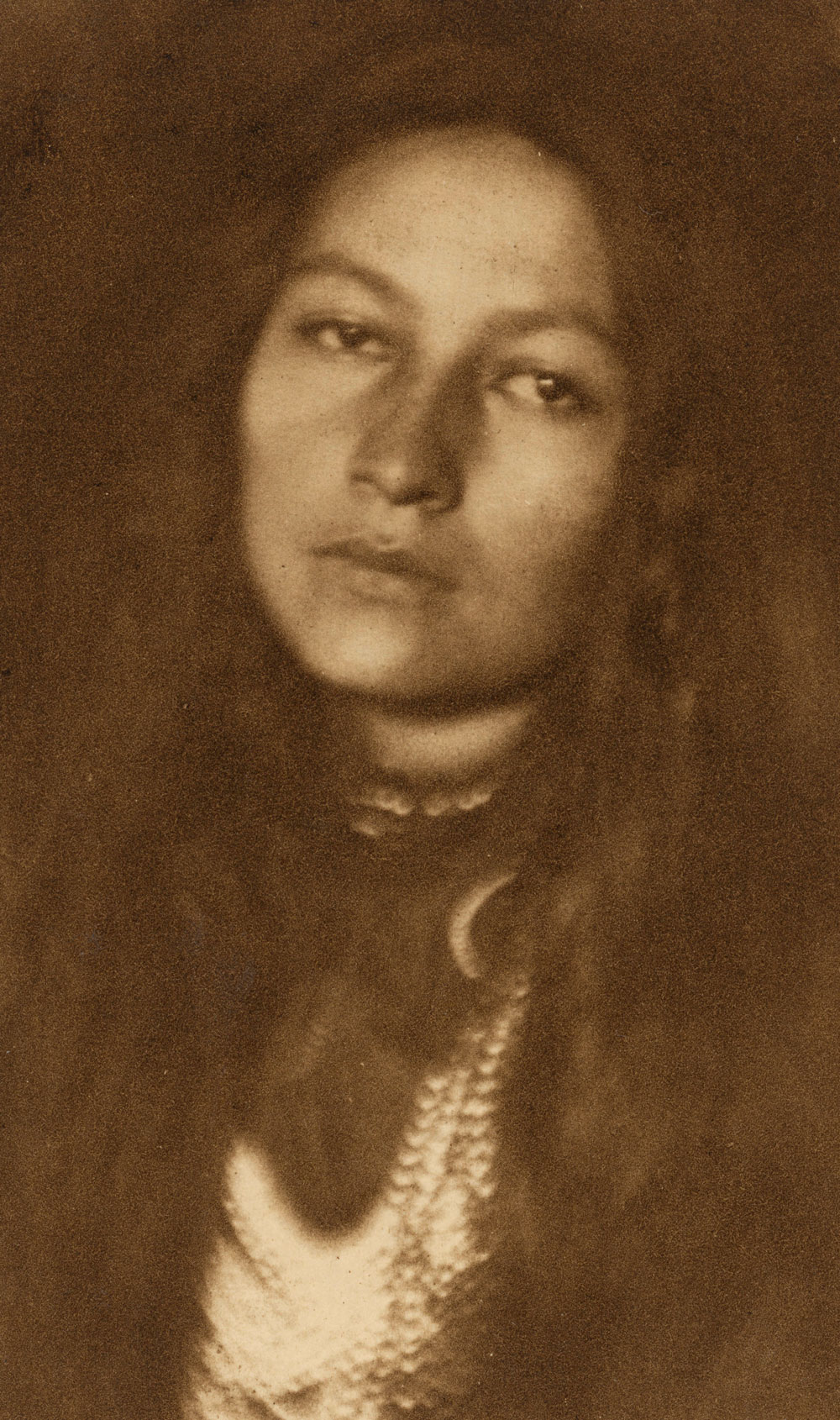
A Lakota Sioux, Zitkála-Šá (1876-1938) helped found both the Society of the American Indians in 1907 and the National Council of American Indians in 1926. She fought tirelessly for Native American rights. Photogravure by Joseph T. Kelley, 1898 (printed 1901) Courtesy of National Portrait Gallery, Smithsonian Institution
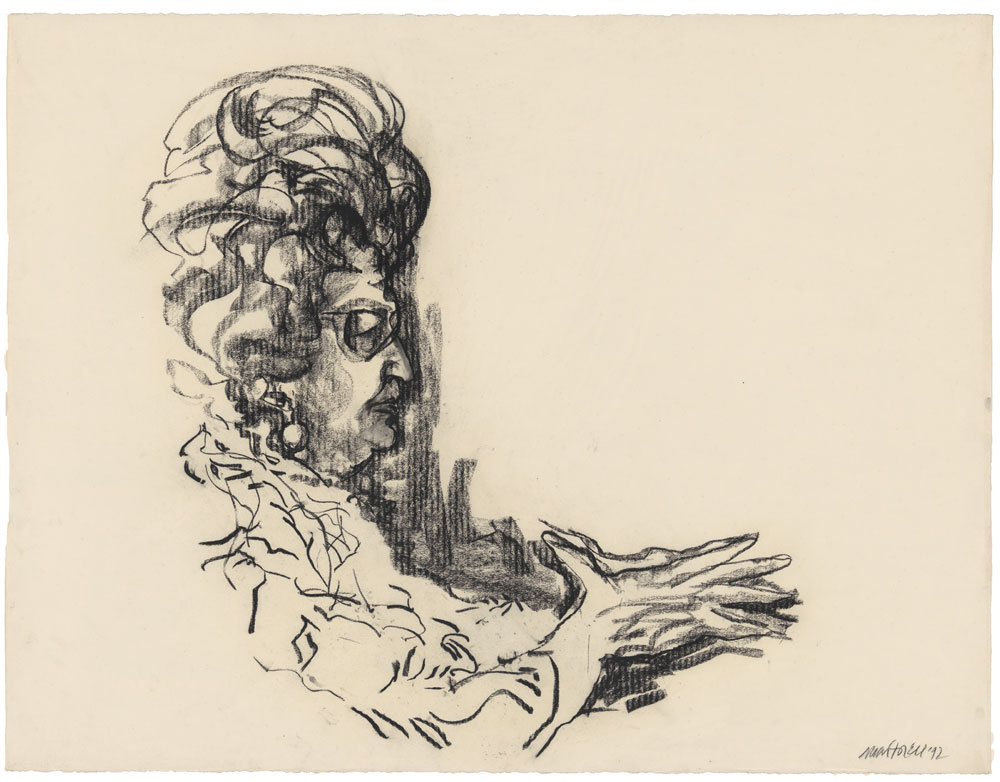
Although the people of Puerto Rico (an unincorporated territory of the U.S.) have had United State's citizenship since 1917, Puerto Rico's women were not granted the right to vote until the mid-1930s. Felisa Rincón de Gautier (1897-1994) was active in the campaign to make that happen. In 1946 she was appointed, then later elected, as mayor of San Juan, the first female mayor of a capital city in the Americas. Charcoal on paper by Antonio Martorell, 1992 Courtesy of National Portrait Gallery, Smithsonian Institution, ©Antonio Martorell
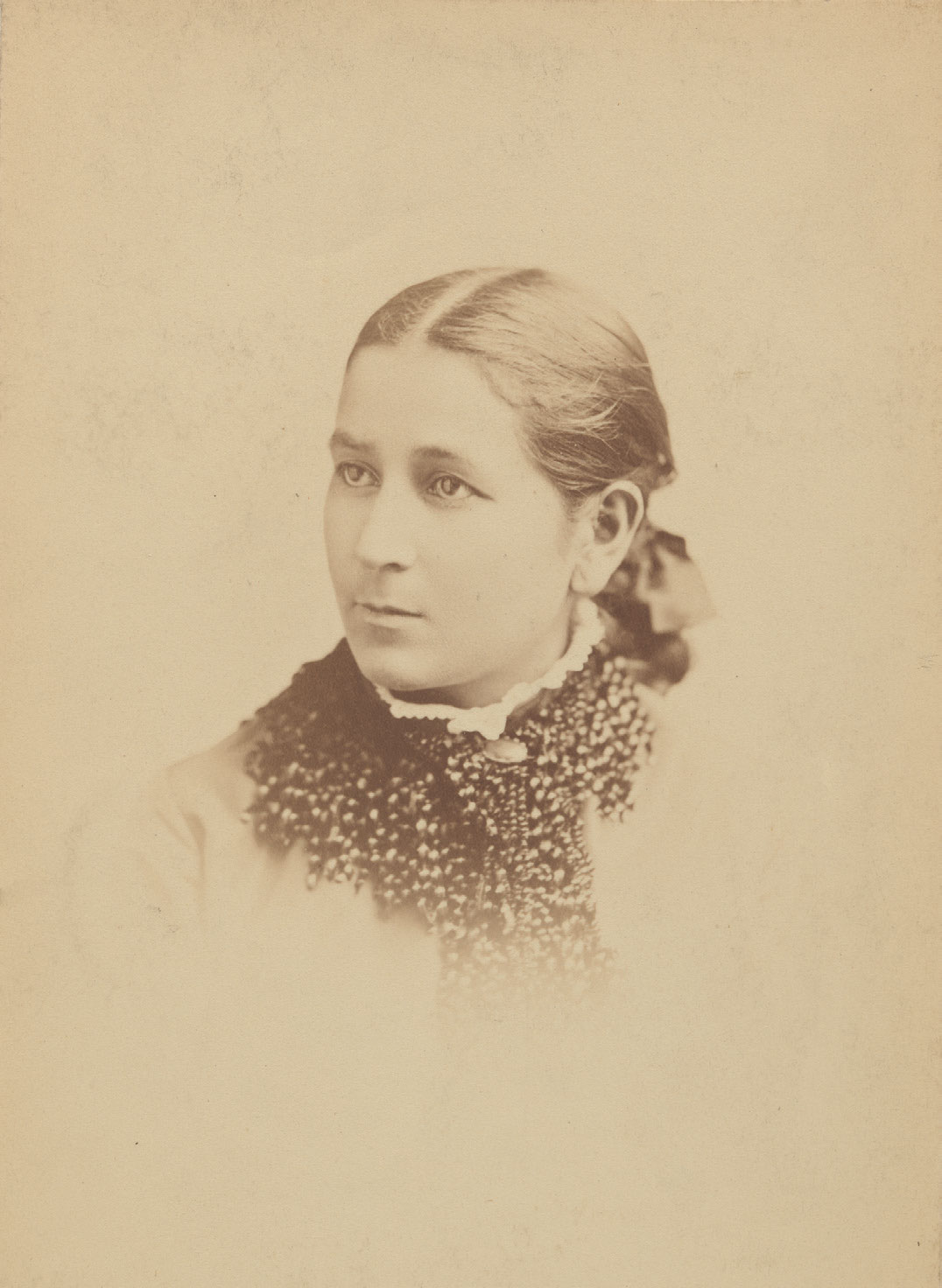
In 1877 Susette La Flesche Tibbles (1854-1903) witnessed the forced removal of the Ponca from Nebraska. She served as an interpreter in the 1879 civil rights decision that ended the Ponca imprisonment and led to the historic ruling, "An Indian is a person within the meaning of the law of the United States." Albumen silver print by José Maria Mora, c. 1879 Courtesy of National Portrait Gallery, Smithsonian Institution